 listicle
Residential Tree Removal Services: A Nashville Guide
Table of Contents
- What Residential Tree Removal Involves
- Tree Removal Permit Requirements in Your Area
- When to Call for Professional Tree Removal
- Certified Arborist Tree Assessment: What to Expect
- Emergency Tree Removal Cost and Pricing Factors
- How to Compare Residential Tree Removal Quotes
- What Happens After Tree Removal: Stump Grinding and Cleanup
- Frequently Asked Questions
Last Updated: October 9, 2026
What Residential Tree Removal Involves
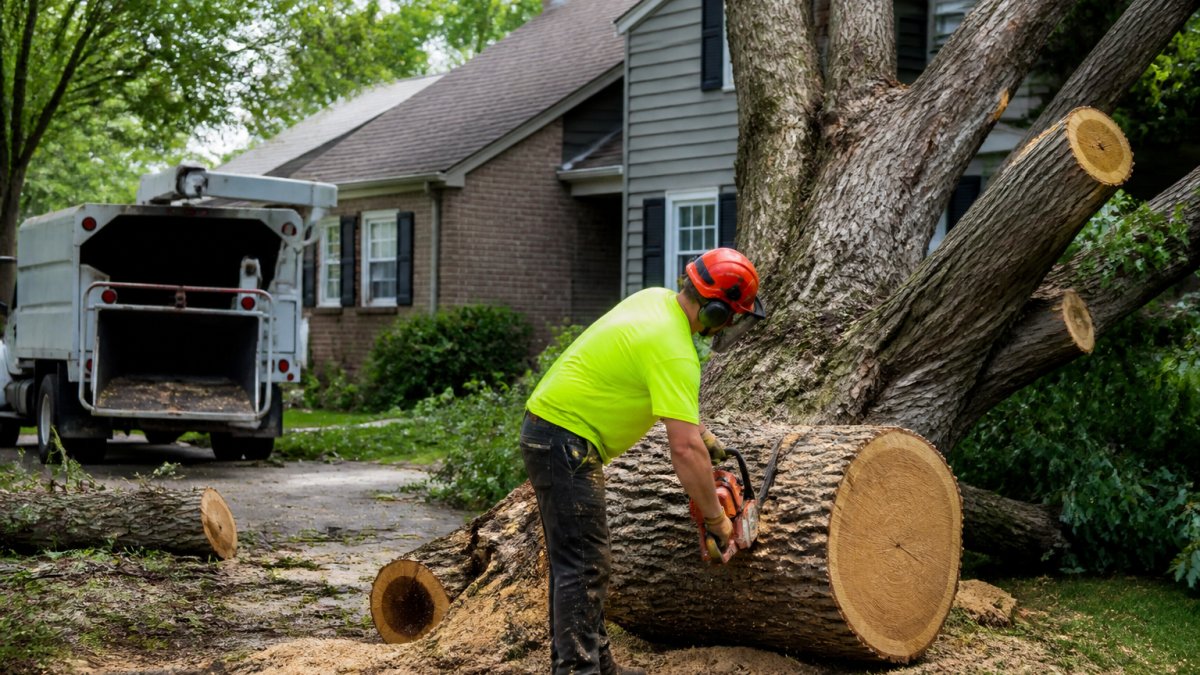
Residential tree removal is the process of safely taking down trees on your property and clearing away the debris. It's more complex than simply cutting down a tree and hauling it away.
When you hire professionals for residential tree removal, they evaluate factors like tree size, proximity to your home or neighbors' property, the tree's health, and whether it poses an immediate hazard.
At Red Woodpecker Tree Service, we handle everything from routine removals to complex extractions where every cut matters. The process typically includes an on-site assessment, a detailed quote, scheduling, the actual removal work, and debris cleanup.
Tree Removal Permit Requirements in Your Area
Tree removal in this area is not a purely private decision. The metro government regulates removal of trees on private property through its tree ordinance, and the rules apply to residential lots, not just commercial sites. Before you schedule a crew, it is worth knowing which rules can affect your job.
What typically triggers a permit or approval
- Protected and specimen trees. Certain species are designated as protected or specimen trees under the metro tree ordinance, and removing them generally requires approval regardless of where they sit on your lot. Commonly listed protected species in this region include oak, maple, hickory, beech, black walnut, and several others. If you are unsure about a species, a certified arborist or the metro tree authority can confirm it.
- Size thresholds. Many local rules key off trunk diameter measured at breast height (DBH), usually 4.5 feet above grade. Trees above a certain DBH, often in the range of 10 to 24 inches depending on species and zoning, are more likely to require a permit or replacement planting. Measure the trunk circumference with a tape and divide by 3.14 to estimate DBH before you call.
- Location-based rules. Trees in a designated conservation area, on a steep slope, within a stream buffer, or in a historic overlay may have stricter requirements than the same tree in a standard residential zone.
- Dead, diseased, or hazardous trees. Most ordinances include an exemption or expedited path for trees that are dead, dying, or an imminent hazard. Documentation, photos, an arborist report, or a utility work order, is usually required to use the exemption.
How to check your specific requirements
- Look up your property on the metro planning or codes portal and confirm your zoning and any overlay districts.
- Contact the metro tree authority or the urban forestry division of the parks department, not the general building permit desk, since tree rules are usually administered separately.
- Ask three questions: Is my tree species protected? Is it above the DBH threshold for my zoning? Is a replacement tree or mitigation fee required?
- If a permit is required, expect an application, a site plan or photo of the tree, a review period that can run from a few days to a few weeks, and a permit fee that varies by jurisdiction and tree size.
- If the tree is an imminent hazard, ask about the emergency exemption and what documentation you need to submit after the fact.
What to have ready before you call
- A photo of the full tree and a close-up of the trunk at 4.5 feet
- Your address and parcel number
- The approximate DBH
- Whether the tree is dead, diseased, leaning, or dropping limbs
- Any prior arborist report or insurance documentation
A professional crew that works in this market regularly should already know which species and sizes trigger review, and should be able to tell you before the estimate whether your job needs a permit.
When to Call for Professional Tree Removal
Not every tree needs removal, but certain situations demand immediate professional attention. Understanding when to act can protect your safety and your property.
Signs a tree is hazardous or diseased
A hazardous tree shows clear warning signs. Dead branches throughout the canopy, large sections of missing bark, visible cavities or hollow areas, and significant lean or lean toward structures all indicate problems.
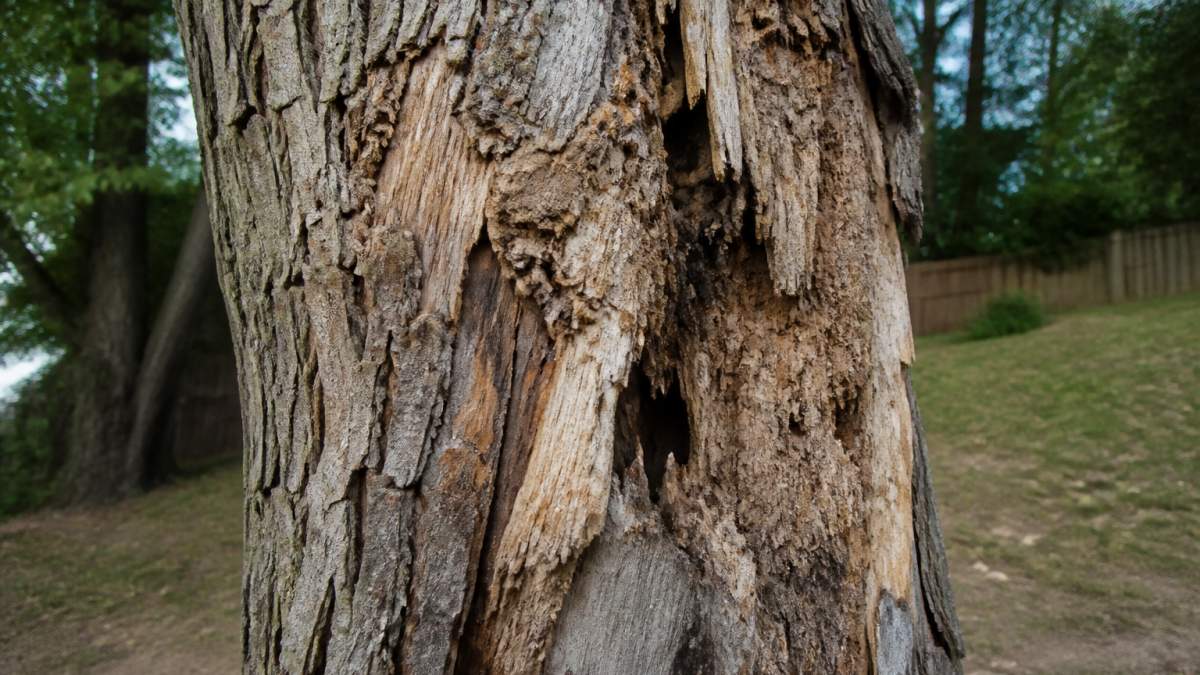
Diseased trees don't always look obviously sick at first glance. A certified arborist can identify issues you might miss. Some diseases weaken the tree's structural integrity without obvious external signs. Others spread to nearby trees if left untreated.
Storm damage and emergency situations
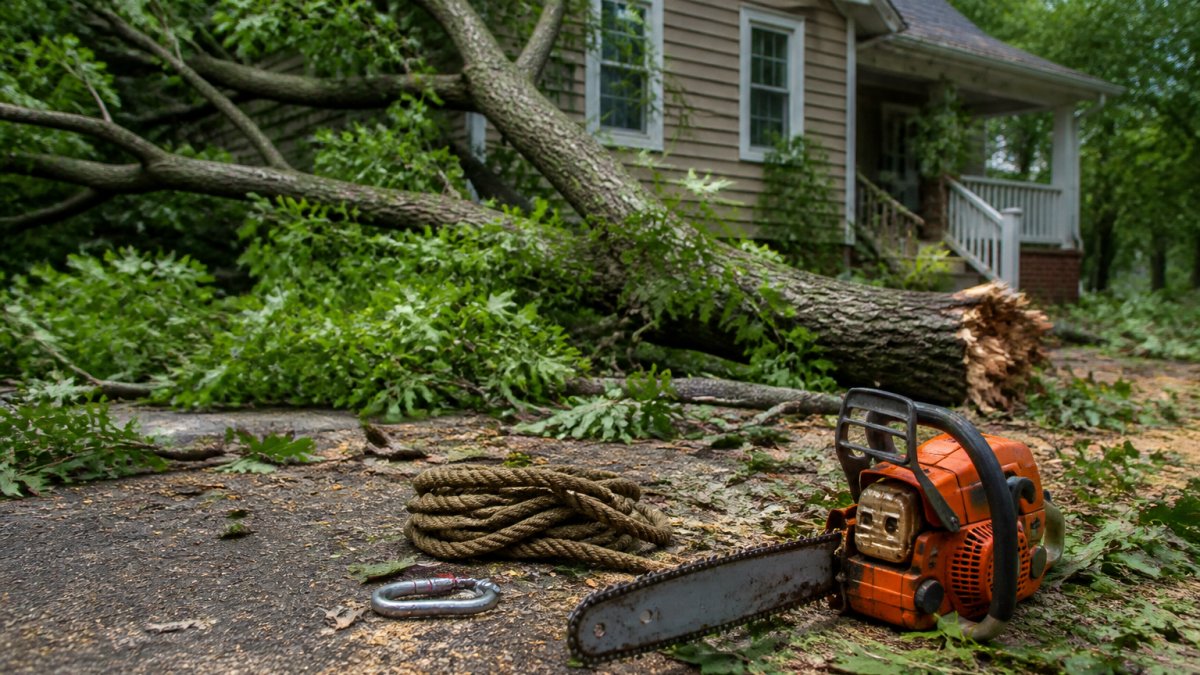
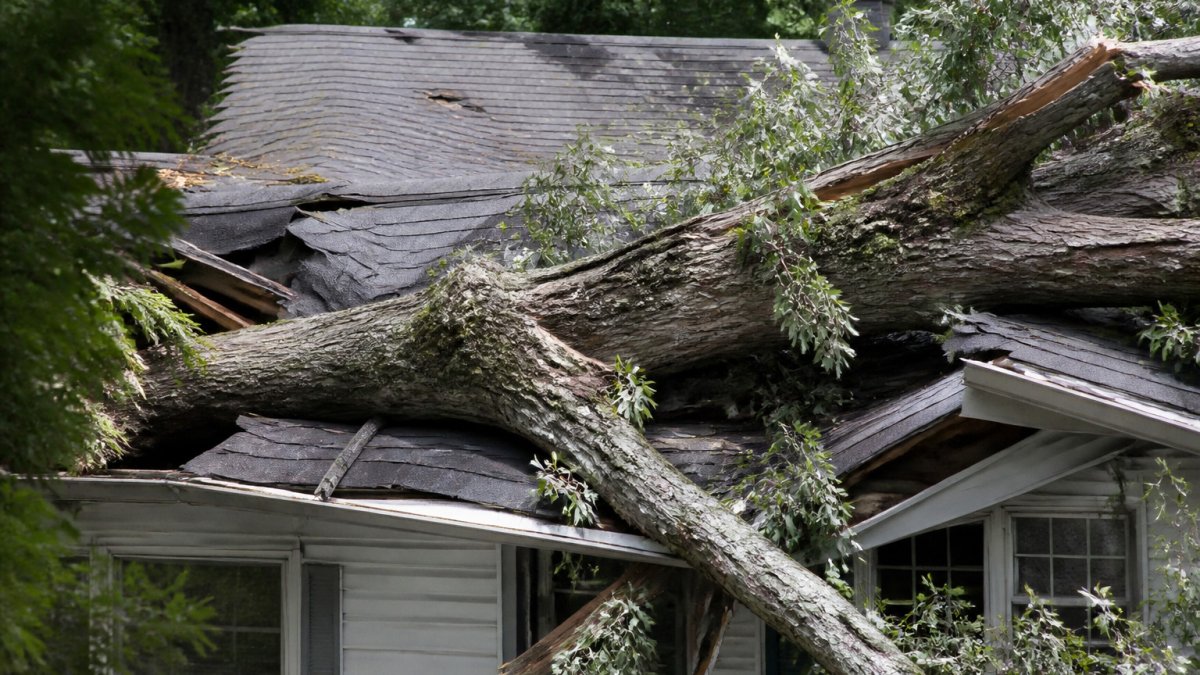
After severe weather, fallen or partially fallen trees create immediate hazards. A tree hanging across your roof, blocking your driveway, or dangling over your neighbor's property needs emergency removal. Branches touching power lines are especially dangerous, call your utility company first, then contact a professional tree service.
Red Woodpecker Tree Service offers 24/7 emergency response for storm damage. We understand that weather doesn't wait for business hours, and neither should your safety.
Certified Arborist Tree Assessment: What to Expect
A certified arborist brings expertise that matters. These professionals have studied tree biology, disease identification, proper pruning techniques, and safe removal practices. They're trained to spot problems before they become emergencies.
During an assessment, an arborist evaluates the tree's overall health, structural integrity, and risk level. They examine the root system, trunk, and canopy.
The assessment typically results in a written report with photos, findings, and recommendations. This document helps you understand why removal or treatment is necessary and gives you confidence in the decision.
Emergency Tree Removal Cost and Pricing Factors
Tree removal pricing depends on several variables, making it difficult to estimate without an on-site evaluation.
Access also affects pricing. If a crew can drive equipment close to the tree, work moves faster.
Stump grinding and debris removal are typically separate line items. Some companies bundle these into a total price; others charge separately. Always clarify what's included in the estimate and what costs extra.
Red Woodpecker Tree Service provides free estimates so you understand the cost before we begin work. We're transparent about pricing factors and won't surprise you with hidden fees.
How to Compare Residential Tree Removal Quotes
Most homeowners collect three bids and pick the middle one. That works only if the bids describe the same job.
Step 1: Confirm the scope in writing
Ask each company to state, in the written estimate, exactly what is included:
- Removal of the trunk and all major limbs
- Chipping or hauling of brush and limbs
- Log removal or leaving cut rounds on site
- Stump grinding depth (typically 4-6 inches below grade) and whether surface roots are ground
- Stump grindings, hauled away, or left on site as fill or mulch
- Raking, blow-off, and final site cleanup
- Repair of any turf, fence, driveway, or landscaping damage
- Whether the crew will use a crane, bucket truck, or climb
If a quote does not list an item, assume it is excluded and ask.
Step 2: Normalize the bids
Build a simple grid with one row per scope item and one column per company. Mark each cell included, excluded, or optional with an add-on price.
Step 3: Verify credentials, not just claims
- License. Ask for the state contractor license number and verify it through the state licensing board's online lookup.
- Insurance. Request a certificate of insurance showing both general liability and workers' compensation. Call the insurer to confirm the policy is active and the coverage limits. If a worker is injured on your property and the company has no workers' comp, the claim can come back to your homeowner's policy.
- ISA certification. Ask whether the arborist on the crew holds current certification from the International Society of Arboriculture, and check the credential number on the ISA directory.
- Business presence. A local address, a real phone number answered during business hours, and a history of reviews over multiple years are stronger signals than a single five-star rating.
Step 4: Read the fine print
- Is the quote a firm price or an estimate subject to change?
- Is there a deposit, and what is the cancellation policy?
- Who is responsible if the tree falls the wrong way and damages a structure?
- Is there a written work order or contract, or just a text message?
- Does the price hold if the crew discovers rot, included bark, or a hidden defect?
Step 5: Compare like-for-like on price drivers
Two bids for the same tree can differ because of how the work is done, not because one company is overcharging. The main drivers are:
- Access. A tree the crew can reach with a truck and chipper is cheaper than one in a fenced backyard where debris must be carried out by hand.
- Proximity to structures and lines. Trees within falling distance of a house, garage, or utility line require rigging, a crane, or a bucket truck, all of which raise cost.
- Tree condition. A dead, brittle tree can be more dangerous to climb than a healthy one, and may require a crane rather than a climber.
- Volume of debris. A large-canopy tree can produce several truckloads of chips and logs; disposal fees are real.
- Time of year and urgency. Emergency and after-storm work is priced higher than scheduled work.
Step 6: Check references and recent work
Ask for two or three references from jobs completed in the last six months, ideally with similar access and tree size to yours.
What Happens After Tree Removal: Stump Grinding and Cleanup
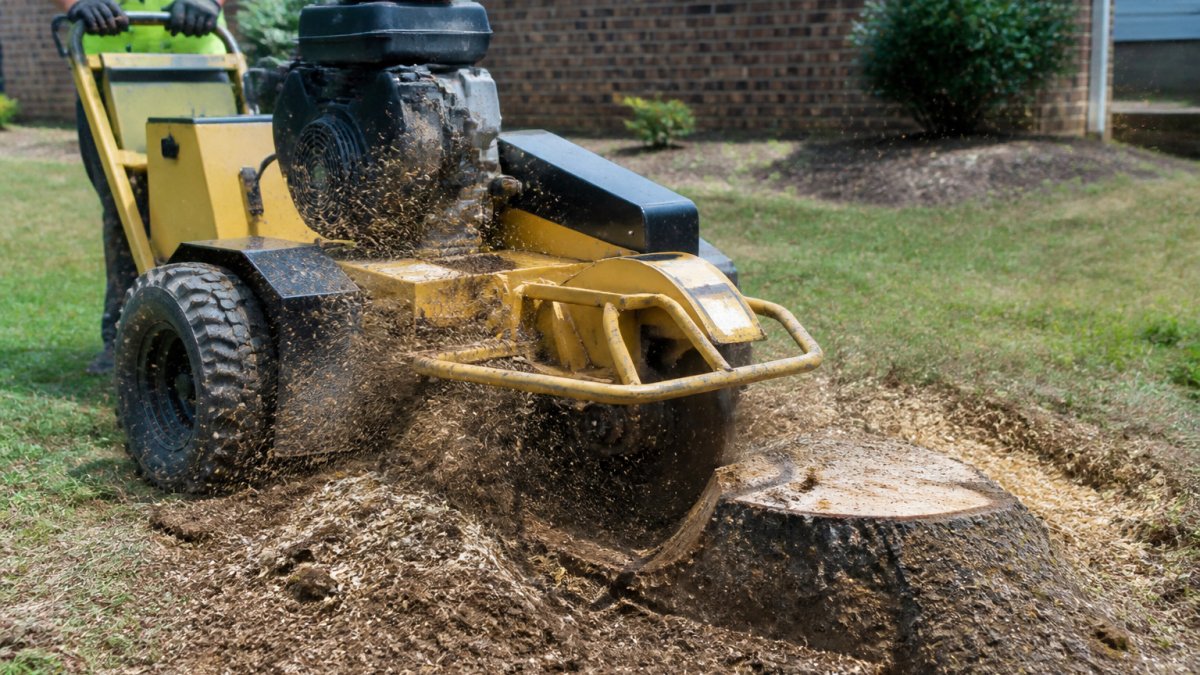
Once the tree is down, the stump remains. Leaving a stump creates a tripping hazard, takes up space, and can sprout new growth if the tree isn't completely dead.
Stump grinding equipment is specialized and heavy. The grinding process creates wood chips and dust, which the crew typically spreads across the site or removed entirely, depending on your preference.
Site cleanup is the final step. A professional crew rakes debris, removes branches, and leaves your property clean. The difference between a thorough cleanup and a rushed one is noticeable.
Red Woodpecker Tree Service handles the entire process from removal through final cleanup.
Frequently Asked Questions
Do I need a permit for tree removal on my property?
Permit requirements vary by location and tree type. Many municipalities require permits for removing trees over a certain diameter or for trees on protected lists. Some species are protected year-round. Contact your local code enforcement or planning department to confirm what applies to your property. Certified arborists and licensed tree services typically handle permit applications as part of their service.
What factors influence the price of residential tree removal?
Tree size, location (proximity to structures or utilities), species, health condition, and debris removal all affect cost. Trees near homes or fences require careful rigging and cost more than those in open yards. Dead or diseased trees may be simpler to remove than healthy ones. Local travel distance and cleanup scope also factor in. Get multiple quotes to compare what's included, some providers charge separately for stump grinding and debris hauling.
How can I tell if a tree on my property is hazardous?
Watch for dead branches, significant lean toward structures, large cavities or hollow sections, peeling bark, fungal growth, or splitting trunks. Trees with weak branch attachments or major damage from storms are high-risk. If a tree is visibly diseased, dropping large limbs, or standing close to your home, a certified arborist should assess it. Don't wait for obvious failure, preventive removal is safer and often less costly than emergency removal after damage occurs.
What should I look for when hiring a certified arborist?
Verify credentials through the International Society of Arboriculture (ISA) certification. Confirm the company is licensed and carries liability insurance that covers property damage. Ask for references from recent residential jobs. A qualified arborist will assess your tree's health, explain the removal method, discuss property protection measures, and provide a detailed written estimate. Avoid anyone who quotes over the phone without seeing the tree or pressure you to decide immediately.
Removing a tree from your property is a significant decision, but it's often the right one for safety and property value. The key is choosing a service that understands your specific situation, communicates clearly about costs, and executes the work with professionalism and care. Red Woodpecker Tree Service combines certified arborist expertise with modern equipment and a commitment to safe, efficient work. Get a free quote today and see how we can help protect your property.