 listicle
Emergency Tree Service in Nashville: 24/7 Response
Table of Contents
- What to Do Immediately After a Tree Falls
- Storm Damage Tree Removal: When You Need Professional Help
- Emergency Tree Service Response Time: What to Expect
- Emergency Tree Service Cost and What Affects Pricing
- Homeowners Insurance and Tree Removal Coverage
- How to Verify a Qualified, Insured Tree Contractor
- Red Woodpecker Tree Service: 24/7 Emergency Tree Removal
- Frequently Asked Questions
Last Updated: October 11, 2026
What to Do Immediately After a Tree Falls
When a tree falls on your property, prioritize safety. If the tree touches electrical lines, do not touch it, call your utility company immediately to de-energize the lines before any work begins.
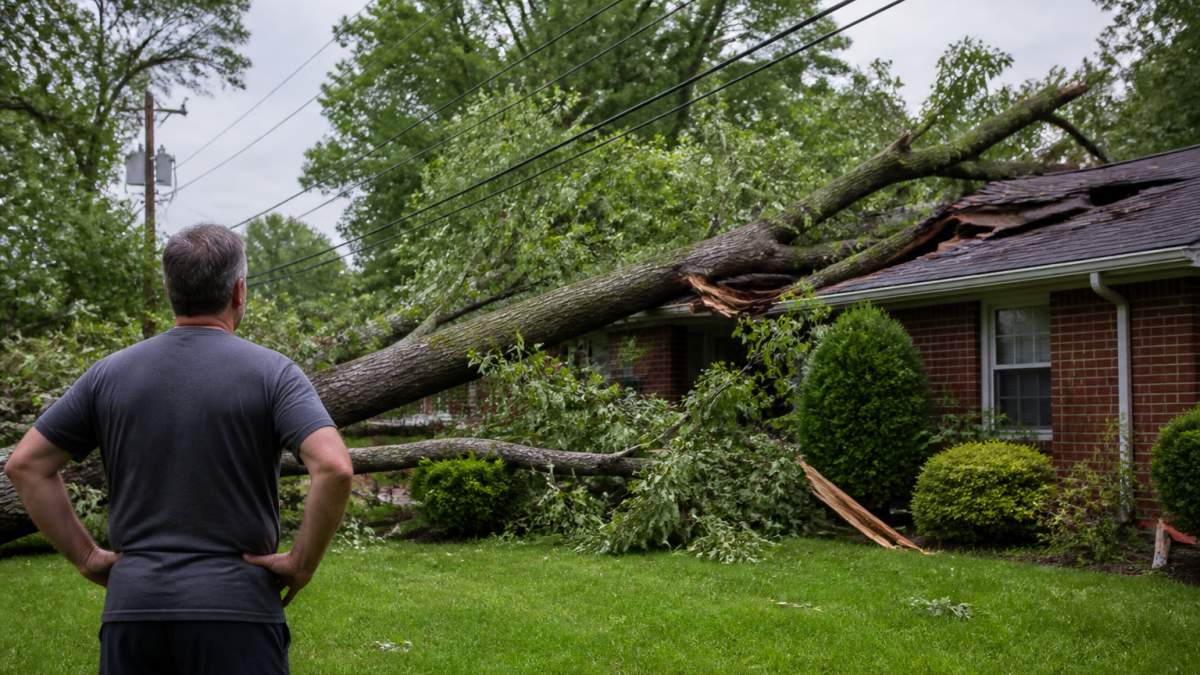
Once the area is safe, document the damage with photos showing the tree's position relative to your home and structures. These images are critical evidence for your insurance claim.
Check your homeowners insurance policy immediately. Most policies cover tree removal when the tree falls due to a weather event, though coverage varies. If the tree blocks a driveway or creates an immediate hazard, contact an emergency tree service that operates 24/7.
Do not attempt to cut or move the tree yourself. A chainsaw in untrained hands is how people get seriously injured. Professional arborists have the equipment, training, and insurance to handle the job safely.
Storm Damage Tree Removal: When You Need Professional Help
Storm damage creates two categories: fallen trees and damaged standing trees. Standing damaged trees pose greater immediate risk.
After severe weather, inspect your trees for hanging branches at odd angles, cracked trunks, or significant canopy loss. A tree with a split trunk or deep bark damage is unstable and should be evaluated by a certified arborist.
Hanging branches, called "widow makers," can fall without warning. Keep people and pets away and call an emergency tree service. Do not attempt removal yourself.
A certified arborist determines whether the tree can be saved through pruning or must be removed, then executes the work safely.
Red Woodpecker Tree Service provides 24/7 emergency tree removal for homeowners dealing with storm damage. Our certified arborists assess trees on-site and determine whether removal or targeted pruning is the right approach. We handle the entire process, from the initial assessment to stump grinding, so you don't have to coordinate multiple contractors.
Emergency Tree Service Response Time: What to Expect
Response time varies based on demand, location, and job complexity. Most services use a priority system to triage emergencies.
How Tree Services Triage Emergencies
Most 24/7 emergency tree services use a three-tier priority system:
Tier 1 (Life-Safety Hazard, 1-2 hour response target): Tree or limb touching power lines; tree leaning against your home; tree blocking the only exit; tree threatening a structure with people inside. These receive immediate dispatch.
Tier 2 (Property Damage or Access Blocked, 2-6 hour response target): Fallen tree blocking driveway; tree damage to structures; large hanging limb over occupied yard; tree leaning dangerously.
Tier 3 (Non-Emergency Damage, 24-48 hour response or scheduled): Tree fell with no hazard; branches down with no immediate threat; damage that doesn't block access or threaten structures.
When you call, the dispatcher will ask: Is anyone in danger? Are power lines involved? Is the tree blocking your driveway or entrance?
Realistic Response Windows During Peak Storm Season
After a major storm, all tree services experience delays. Tier 1 calls aim for 1-2 hours; Tier 2 calls expect 4-8 hours; Tier 3 calls may be delayed 24-48 hours.
When to Call 911 Instead
Call 911 if a tree is actively falling, someone is trapped or injured, or a tree is touching power lines and sparking. Do not touch the tree or anything near it.
Questions to Ask When You Call
- "Based on what I'm describing, what tier would you classify this as?"
- "What's your realistic arrival window right now?"
- "If I'm Tier 2, how long might I wait during a storm?"
- "Do you have crews available, or are you at capacity?"
- "If you can't get to me today, who else would you recommend I call?"
A professional service will answer these directly. If they're evasive or overpromise, that's a signal to call another contractor.
Emergency Tree Service Cost and What Affects Pricing
Tree removal pricing depends on tree size, location, and complexity. A tree in an open yard costs less than one between structures. Fallen trees are sometimes easier to remove than standing trees. Stump grinding is usually a separate charge. Emergency pricing is typically higher than routine work.
For accurate pricing on your specific situation, get quotes from at least two or three tree services. Describe the tree's size, location, and what you need done, removal only, or removal plus stump grinding. Red Woodpecker Tree Service offers free estimates so you can compare options without obligation.
Homeowners Insurance and Tree Removal Coverage
Most homeowners insurance covers tree removal when the tree falls due to a covered peril (storm, high winds, lightning) and damages an insured structure (If a tree falls on your house, are you covered?). Review your policy carefully, as some cover removal up to $500-$1,000 per tree; others only if necessary to make the property safe. If the tree fell due to disease or poor maintenance, insurance is less likely to cover removal.
Document everything for your claim with photos and receipts. When you file, provide these details along with the tree service's estimate. If your removal cost exceeds your insurance limit, ask the tree service about payment plans or financing.
How to Verify a Qualified, Insured Tree Contractor
Not every tree service is the same, and in an emergency, you have limited time to vet a contractor.
Step 1: Verify Certification and Training
Ask whether the crew includes certified arborists. You can verify certification through the ISA's online directory at ISA Certified Arborist Directory.
Do not assume "arborist" means certified. Ask specifically: "Are your crew members ISA-certified arborists?" The lead crew member should be certified.
Ask about ongoing training. If a contractor can't name recent training their team completed, that's a red flag.
Step 2: Confirm Insurance Coverage, The Critical Check
Step 3: Get Written Estimates and Compare Specifics
Obtain at least three written estimates. Each estimate should specify:
- Tree size (height and diameter)
- Work scope: removal only, or removal plus stump grinding
- Whether debris removal and site cleanup are included
- Whether the price is fixed or an estimate (fixed is better for budgeting)
- Timeline for completion
- Payment terms (deposit required, balance due on completion)
Red flags in estimates:
- Vague language: "Tree removal and cleanup" without specifying stump grinding or debris hauling. Ask for clarification in writing.
- Significantly lower price: If 30-40% cheaper than others, ask why. Common reasons: cutting corners on safety, no insurance, or lowballing.
- Pressure to decide immediately: Legitimate contractors stand behind estimates for at least a few days.
- Verbal estimates only: Get everything in writing.
Step 4: Check References and Online Reviews
Ask the contractor for three recent references (customers from the last 6 months). Call them and ask:
- "Did the crew show up on time?"
- "Was the work completed as described in the estimate?"
- "Did they clean up thoroughly?"
- "Would you hire them again?"
Check online reviews on Google, Yelp, and the Better Business Bureau. Look for patterns:
- Consistently positive reviews suggest reliability.
- Multiple complaints about the same issue (high-pressure sales, incomplete cleanup, damage to property, surprise charges) indicate a real problem.
- A few negative reviews among many positive ones is normal; one bad review doesn't disqualify a company.
- Read recent reviews (last 6 months) more heavily than older ones.
Step 5: Ask About Safety Practices and Equipment
During the initial call or estimate, ask:
- "What safety equipment does your crew use?" (Hard hats, harnesses, eye protection, hearing protection.)
- "Do you have a safety plan for working near power lines?" (They should contact the utility company and follow established protocols.)
- "What's your process if you encounter a hazard you didn't anticipate?" (A good contractor will stop work, reassess, and adjust the plan rather than pushing forward.)
- "Do you have a spotter when you're working near structures or property lines?" (One crew member should watch for hazards while others work.)
If a contractor is vague about safety or dismisses your questions, that's a red flag. Safety-conscious companies are proud of their practices and will explain them.
Step 6: Verify Local Licensing (If Required)
Some states and municipalities require tree service contractors to be licensed. Check with your local building department or county to see if licensing is required in your area.
Step 7: Confirm They'll Work With Your Insurance
If you're filing an insurance claim, ask whether the contractor will:
- Provide a detailed estimate that your insurer can review
- Wait for insurance approval before starting work (if needed)
- Communicate directly with your adjuster
- Provide an invoice that matches the insurance estimate
Some contractors are experienced with insurance claims and streamline the process. Others are not, which can delay your claim or create disputes over what's covered.
The Emergency Decision Framework
When you're in an emergency and need to decide quickly, prioritize in this order:
- Insurance verification (non-negotiable)
- Certification or training (shows competence)
- Written estimate (protects you from surprise charges)
- References or reviews (confirms track record)
- Price (compare after confirming the above)
If a contractor fails on #1 or #2, move to the next one. If they pass #1-#4, price becomes the deciding factor.
Red Woodpecker Tree Service: 24/7 Emergency Tree Removal
Red Woodpecker Tree Service provides 24/7 emergency tree removal in Nashville and surrounding areas. Our certified arborists handle assessment, safe removal, and stump grinding, so you don't coordinate multiple contractors.
When you call Red Woodpecker Tree Service, you reach dispatch directly. We assess urgency and prioritize life-safety calls. Our crews are equipped with modern tools and trained in safety protocols for complex removals.
We're licensed and insured with ISA-certified arborists. We provide free estimates and work with homeowners insurance claims to help document damage.
Red Woodpecker Tree Service keeps crews on standby during storm season to respond to emergencies. We clean up completely after the job, leaving your property safe and clear.
When a tree falls or storm damage threatens your home, fast professional response makes all the difference. A qualified emergency tree service assesses the hazard, removes the tree safely, and handles the cleanup so you can focus on your family and property. Red Woodpecker Tree Service provides 24/7 emergency tree removal for homeowners in Nashville and surrounding areas. Our certified arborists respond quickly to fallen trees, hazardous limbs, and storm damage.
Frequently Asked Questions
What should I do immediately if a tree falls on my house?
First, move to a safe location away from the tree and any debris. Check for injuries and call emergency services (911) if anyone is hurt. Document the damage with photos for your insurance claim. Do not attempt to remove the tree yourself or touch power lines. Call a qualified emergency tree service to assess structural damage and safely remove the fallen tree. Contact your homeowners insurance company to report the incident and discuss coverage options.
How quickly can an emergency tree service respond?
Response times vary depending on demand and your location. Many providers advertise 24/7 availability, but actual arrival may take several hours during major storms when multiple emergencies occur simultaneously. Some services prioritize life-threatening hazards (trees near power lines, blocking emergency access) over property-only damage. When calling, ask the dispatcher for an estimated arrival window and whether your situation qualifies as high-priority triage.
Does homeowners insurance cover emergency tree removal?
Coverage depends on your policy and the cause of the damage. Insurance typically covers tree removal if the tree fell due to a covered peril like a storm, lightning, or wind, and caused direct damage to your home or structures. Removal of the tree alone may not be covered if it didn't damage property. Trees that fell due to poor maintenance, disease, or neglect usually aren't covered. Review your policy and contact your insurer immediately after the incident to confirm coverage and claim requirements.
How do I know if my tree is actually an emergency?
A tree is an emergency if it poses immediate danger: it's leaning toward your home or a neighbor's property, has broken limbs hanging over structures, is blocking emergency access, is near power lines, or shows signs of failure like large cracks or uprooted roots. Dead or diseased trees with hazardous limbs also warrant urgent removal. If you're unsure, contact a certified arborist for a free assessment. Waiting on a clearly dangerous tree increases risk of property damage or injury.
What should I ask before hiring an emergency tree service?
Ask whether they hold current licensing, liability insurance, and workers' compensation coverage. Request proof of certification (ISA Certified Arborist credentials). Confirm they're available 24/7 and their typical response time. Ask about their equipment, crew size, and whether they handle cleanup and stump removal. Get a free estimate in writing that specifies what's included. Ask for references from recent emergency jobs. Verify they can handle your specific situation (trees near power lines, structures, or tight spaces).