 how-to
Is Professional Tree Removal Worth It?
Last Updated: October 25, 2026
Quick Summary
Professional tree removal is worth it when trees pose genuine risk to your home, family, or property. DIY removal risks serious injury, death, property damage, and liability that often exceed the cost of hiring certified arborists with proper equipment and insurance coverage.
- Dead or diseased trees near structures need professional removal to prevent unpredictable failure and costly damage
- A falling branch weighs hundreds of pounds and accelerates at 32 feet per second squared, causing fatal injuries or crushing roofs
- Professional crews carry liability insurance that covers property damage; homeowner policies often deny claims for self-caused damage
- Tree size, location near structures, site access, and stump grinding are the main cost factors in removal quotes
- Complete professional removal includes assessment, rigging, climbing, chipping, debris hauling, stump grinding, and site cleanup
Table of Contents
- Why Professional Tree Removal Matters for Your Property
- Signs a Tree Needs to Be Removed
- DIY Tree Removal Risks: What Homeowners Miss
- Understanding Professional Tree Removal Cost
- What Professional Tree Removal Includes
- Tree Removal Cleanup and Stump Grinding
- Getting Your Free Tree Assessment
- Frequently Asked Questions
Why Professional Tree Removal Matters for Your Property
Professional tree removal protects your home, family, and property from serious harm. DIY removal of a hazardous tree can cause injury, death, or expensive property damage. At Red Woodpecker Tree Service, we help homeowners understand when professional removal is the right choice.
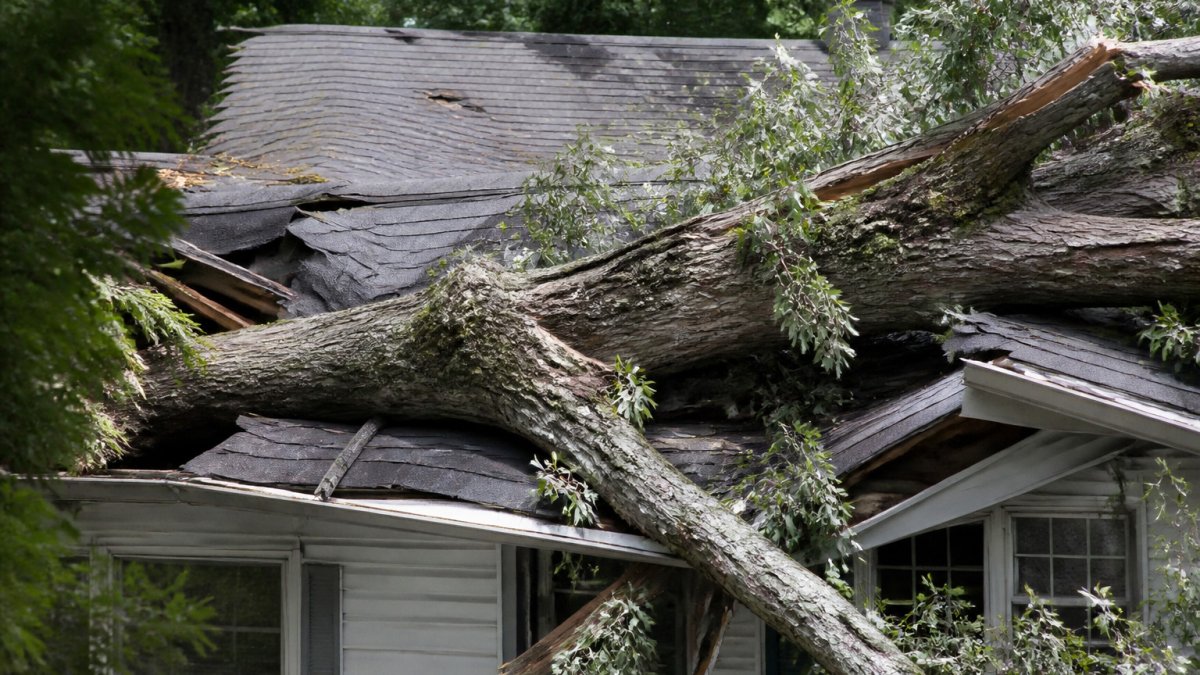
The real cost of DIY tree work isn't what you save upfront, it's the risk. A falling limb can crush a roof, a miscalculated cut can send a trunk toward your house, and climbing without proper equipment leads to falls. Professionals carry insurance that covers these accidents. You don't.
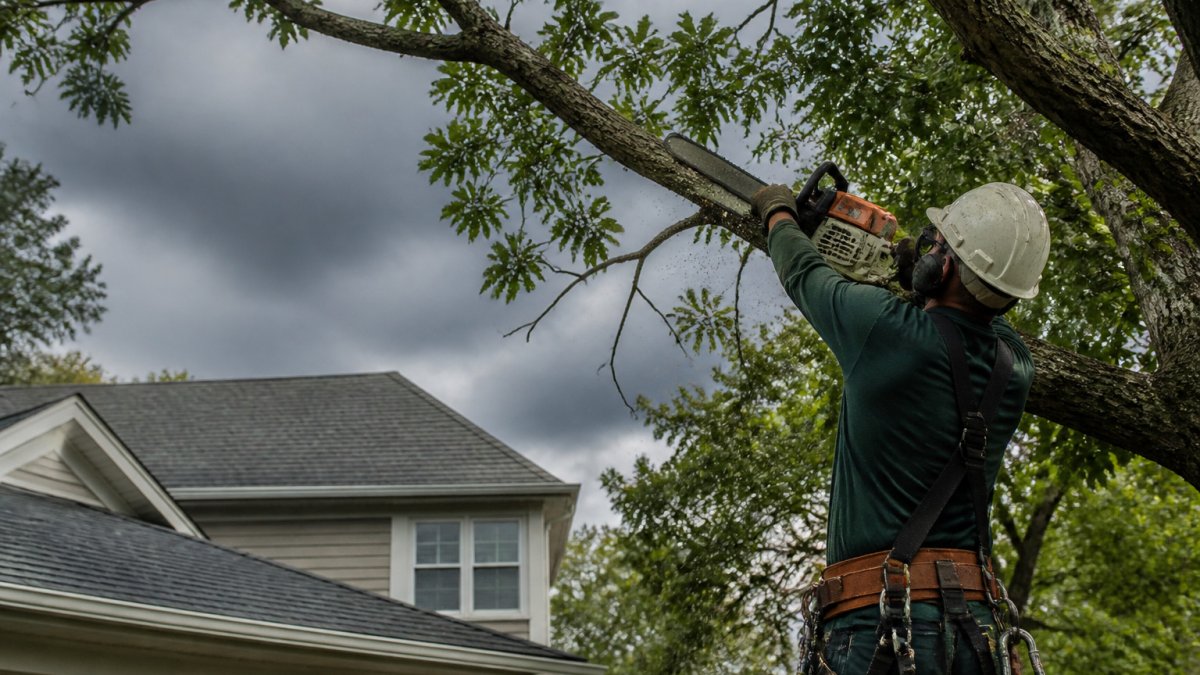
Professional arborists assess tree condition, identify structural weakness, and use specialized equipment to control exactly where pieces fall. They have rigging systems, climbing gear, and trained crews. Most homeowners have a chainsaw and hope.
Here's what separates professional tree removal from DIY attempts:
- Safety training: Certified arborists understand branch structure, weight distribution, and cutting angles
- Liability coverage: Insurance protects your property if something goes wrong
- Proper equipment: Rigging, climbing harnesses, and chippers that homeowners don't own
- Cleanup: Debris removal and site restoration included, not an afterthought
- Speed: A trained crew finishes in hours what takes homeowners days or weeks
Signs a Tree Needs to Be Removed
A tree needs removal when it poses a genuine risk to people or structures. Not every dead or leaning tree must come down, but certain signs mean removal is the only safe option.
Dead or dying trees are the clearest indicator. No green growth, peeling bark, or branches that snap easily mean lost structural integrity. Dead wood becomes brittle and fails unpredictably, even in calm weather.
Severe lean or root damage signals instability. A tree that tilts noticeably or has exposed, damaged roots may topple during storms.
Disease or pest damage weakens the entire structure. Certain diseases hollow out the interior, leaving a shell that looks solid but fails under wind load.
Proximity to structures increases urgency. A hazardous tree 50 feet from your house is less critical than one 10 feet away. Trees overhanging roofs, touching power lines, or leaning toward fences need professional evaluation.
Signs that demand professional attention:
- Large dead branches in the canopy
- Cracks or splits in the trunk
- Fungal growth or mushrooms at the base
- Hollow sections or cavities visible in the trunk
- Branches rubbing power lines
- Tree leaning after a storm
- Sudden loss of leaves mid-season
DIY Tree Removal Risks: What Homeowners Miss
Most homeowners underestimate the dangers of removing trees themselves. The risks extend beyond injuries to property damage, liability, and financial loss.
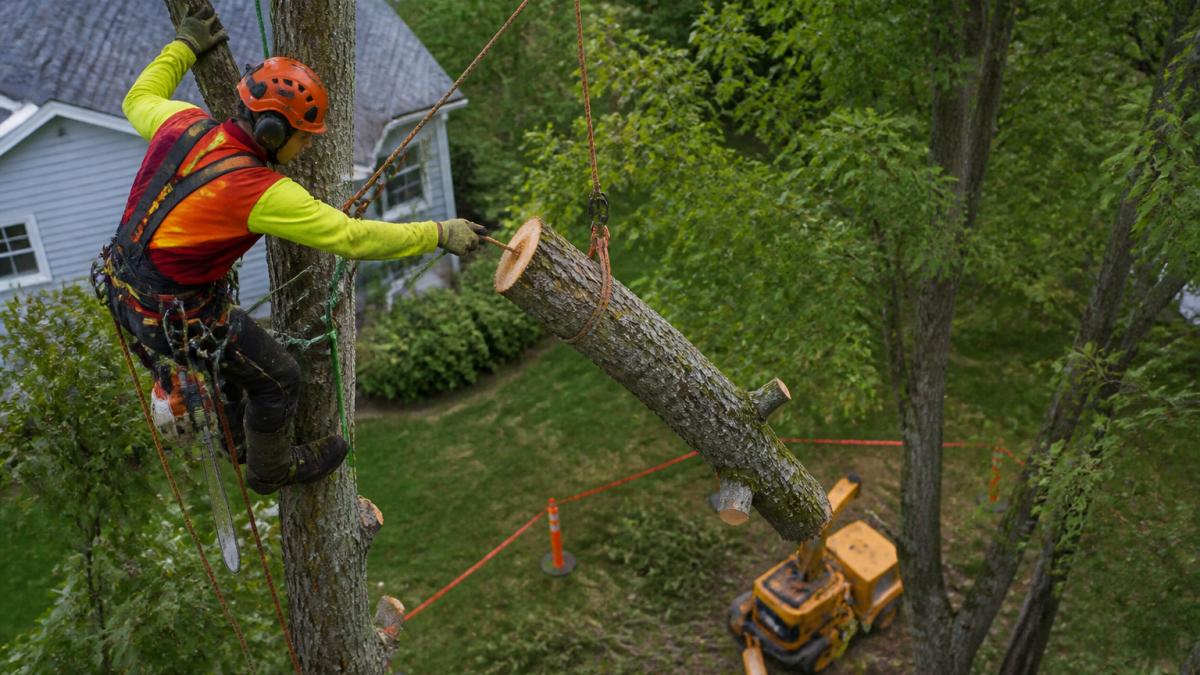
Climbing without proper equipment is extremely hazardous. Professional climbers wear harnesses rated for thousands of pounds, use ropes with backup systems, and practice rescue techniques.
Improper cuts create unpredictable failure. Removing a large branch requires understanding weight distribution and cutting sequence. Cut from the wrong angle and the branch twists, pinches the saw, or swings toward you.
Property damage costs more than professional removal. A falling tree can destroy a roof, deck, fence, or vehicle. Repair bills often exceed what professional removal would have cost.
No insurance coverage if something goes wrong. Professional tree services carry general liability insurance. If a branch falls on your house during their work, insurance covers it.
Common DIY mistakes that lead to injury or damage:
- Cutting the main trunk while standing beneath it
- Using a ladder instead of climbing equipment
- Making flush cuts that damage the branch collar
- Underestimating branch weight before cutting
- Working alone without a spotter
- Operating a chainsaw above shoulder height
- Removing too much at once and destabilizing the tree
Understanding Professional Tree Removal Cost
Cost is the heart of the "is it worth it" question, so it helps to know what drives a quote. Removal pricing bundles labor hours, equipment, risk, and disposal.
Location determines complexity and risk. A tree in an open field can often be felled in one piece.
Tree condition affects removal difficulty. Healthy wood cuts predictably. Dead, diseased, or storm-damaged trees can shatter or barber-chair unexpectedly, so crews slow down and use extra rigging.
Site access impacts crew efficiency. A clear driveway for the chipper and a safe drop zone keep the job efficient.
Emergency and after-hours work carries a premium. Storm response, weekend calls, and crane-assisted jobs cost more because of scheduling, equipment, and risk.
What a written estimate should itemize:
- Tree height, diameter, and species (so the scope is unambiguous)
- Number of trees and whether the price is per tree or bundled
- Whether rigging or crane assistance is required and included
- Stump grinding: yes/no, depth, and root flare handling
- Debris hauling versus leaving chips or firewood on site
- Site protection (lawn, driveway, fencing) and restoration
- Permit responsibility and any associated fees
- Insurance and licensing confirmation
- Payment terms, deposit, and cancellation policy
How to judge whether the price is worth it. Add up what DIY would really cost: chainsaw and safety gear, climbing or lift rental, dump fees, disposal, your time, and the risk you're carrying. For small, isolated trees with clear drop zones, DIY can pencil out for experienced homeowners. For anything near a structure, over a driveway, or large enough to injure someone, the professional price is usually cheaper than the tail risk of one bad outcome.
For accurate pricing on your trees, request an on-site assessment.
Several factors drive the cost of professional tree removal, and understanding them helps you compare quotes fairly.
| Cost Factor | What It Affects | Key Details |
|---|---|---|
| Tree size | Labor hours and equipment needed | Height and trunk diameter determine complexity |
| Location | Complexity and rigging requirements | Trees near structures cost more than open field |
| Tree condition | Removal difficulty and safety risk | Dead or diseased trees require extra rigging |
| Site access | Crew efficiency and equipment use | Narrow gates or slopes increase labor hours |
| Stump grinding | Separate line item or included | Priced by diameter, depth, and root flare |
| Emergency work | After-hours and weekend premium | Storm response and weekend calls cost more |
| Cleanup and disposal | Debris hauling and site restoration | Chips, logs, and raking scope varies by quote |
What Professional Tree Removal Includes
Professional removal is more than cutting down a tree. It's a complete process that protects your property and ensures safe, efficient work from start to finish.
Rigging sets up controlled lowering of large pieces. Instead of dropping heavy branches, professionals use ropes and pulleys to lower them safely.
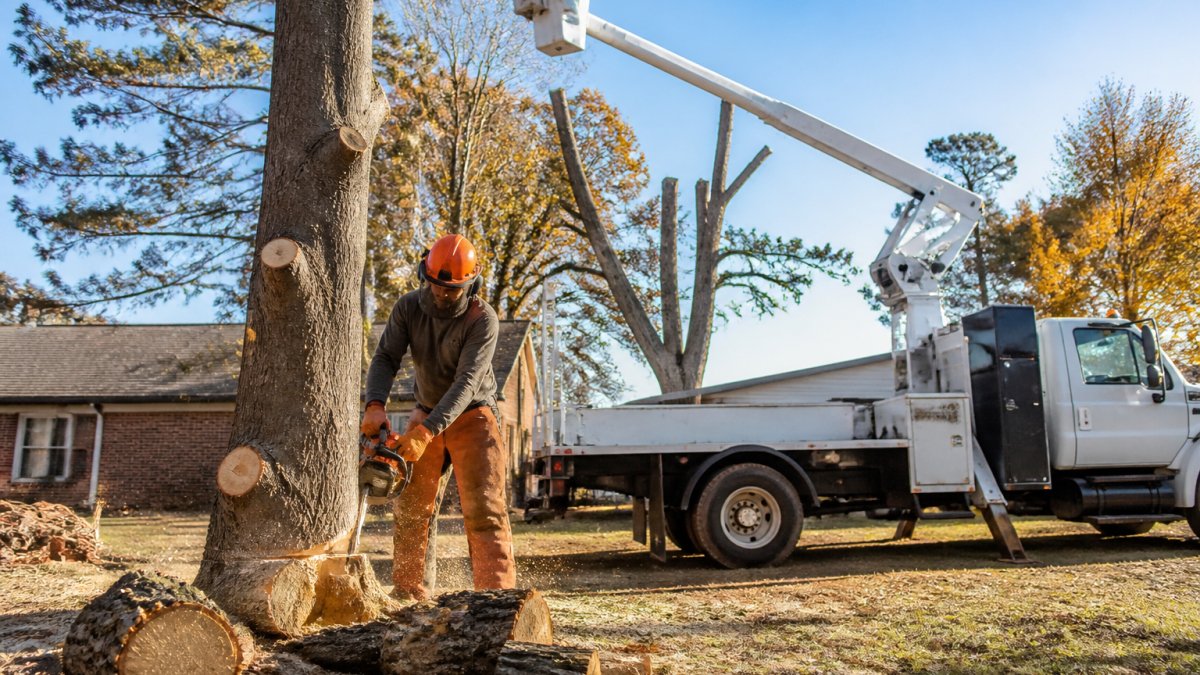
Climbing and cutting remove the tree systematically. Trained climbers ascend using safety equipment and cut branches from top to bottom, lowering or dropping each piece into a clear zone.
Stump grinding eliminates the remaining root system. A grinding machine reduces the stump below ground level, leaving wood chips that settle naturally.
What's typically included in professional removal:
- Initial tree assessment and hazard evaluation
- Safety planning and rigging setup
- Climbing and systematic cutting
- Debris chipping or hauling
- Site cleanup and final inspection
- Stump grinding (sometimes separate)
Red Woodpecker Tree Service handles every step, from initial assessment through final cleanup, so you don't have to coordinate multiple services or deal with debris yourself.
Tree Removal Cleanup and Stump Grinding
Most homeowners think the job ends when the trunk hits the ground.
Grinding does not equal root removal. Grinding eliminates the visible stump and most surface roots, but deeper structural roots remain and decay over time, fine for most species.
The stump hole needs a plan. Grinding leaves a mound of chips and a depression.
Disposal options affect cost and value. Chips can be left for mulch or hauled for a fee. Firewood can be cut and stacked, left in rounds, or hauled away.
Site restoration is the finishing step. A good crew protects the lawn with mats or plywood where equipment travels, avoids rutting on soft ground, and rakes the work zone.
What to confirm about cleanup and stump work before signing:
- Stump grinding depth below grade and whether it is included or extra
- Number of stumps covered and price per additional stump
- Whether root flare and surface roots are addressed
- Chip disposal: left on site, hauled, or your choice
- Log handling: removed, stacked, or left in rounds
- Raking, blowing, and driveway cleanup included
- Lawn and hardscape protection method
- Regrowth treatment for sprouting species
- Stump hole backfill plan
Why this matters for the worth-it decision. Cleanup and stump work are exactly what make DIY removal drag on for weeks: hauling brush, renting a grinder, dealing with the hole, and fighting regrowth. When comparing a professional quote to DIY, price the full job, stump and debris included, or it's not apples to apples. A complete, itemized scope is the fairest way to judge value.
Getting Your Free Tree Assessment
The first step toward a safe decision is a professional evaluation. Red Woodpecker Tree Service offers free assessments where we examine your trees, identify hazards, and explain your options.
During an assessment, we evaluate tree health, structural stability, and proximity to your home and property, identifying which trees pose genuine risk and which are safe to keep. We explain what removal involves and what it costs for your situation.
Our certified arborists answer your questions honestly. If a tree can be saved through trimming or treatment, we'll recommend that. If removal is necessary, we explain why and what the process involves.
Contact Red Woodpecker Tree Service today for your free tree assessment. We'll help you understand whether professional tree removal is the right choice for your property and provide a clear estimate. Call us for emergency storm response 24/7 or schedule a routine assessment at your convenience.
Frequently Asked Questions
When should you hire a professional tree removal service?
Hire a professional when trees show signs of disease, structural damage, or pose a safety risk near your home or property. Dead or dying branches, significant lean, or trees damaged in storms require professional assessment. If the tree is large, close to structures, or you're unsure of its condition, professional evaluation is the safest choice. A qualified arborist can determine whether removal, trimming, or monitoring is appropriate.
What are the main DIY tree removal risks?
DIY tree removal risks include personal injury from falling limbs, improper chainsaw use, and falls from height. Without specialized equipment and rigging expertise, branches often fall unpredictably, damaging property or causing injury. Untrained removal can also harm the tree's root system or nearby structures. Professional crews use controlled removal techniques, climbing equipment, and liability insurance to manage these hazards safely.
How much does professional tree removal cost?
Professional tree removal cost depends on tree size, location, condition, and site accessibility. Factors include whether the tree is near structures, the complexity of rigging, debris removal, and stump grinding. Pricing varies significantly based on these variables. Contact a qualified arborist for a free estimate tailored to your specific tree and property. This ensures you understand exactly what's included and what drives the price.
Does removing a tree decrease property value?
Removing a hazardous, dead, or diseased tree typically does not decrease property value, it often protects it. A dangerous tree poses liability and property damage risks that concern buyers. However, removing healthy, mature trees in good condition may affect curb appeal. Professional arborists can assess whether removal is necessary or if trimming and maintenance would preserve both safety and landscape value.
Professional tree removal is worth the investment when safety, property protection, and proper cleanup matter. DIY attempts save money upfront but risk injury, property damage, and liability that far exceed professional costs. A trained arborist with proper equipment handles the job safely and completely, leaving your property clean and secure.