 how-to
How to Tell If a Tree Is Dying: A Complete Inspection Guide
Table of Contents
- How to Tell If a Tree Is Dying: Key Warning Signs
- How to Tell If a Tree Is Dead or Stressed: The Distinction
- How to Check If a Tree Branch Is Dead: The Scratch Test
- Conducting a Safe Tree Inspection Checklist
- What to Do With a Dying Tree: Care and Recovery Options
- When to Remove a Dead Tree: Urgency and Safety Risk Assessment
- Common Mistakes to Avoid During Tree Inspection
- When to Call an Arborist: Diagnostic Limits and Next Steps
- Frequently Asked Questions
Last Updated: October 12, 2026
How to Tell If a Tree Is Dying: Key Warning Signs
Learning how to tell if tree is dying starts with recognizing clear visual signals before it reaches the point of no return. Early detection can make all the difference between saving a tree and removing it.
The most common warning signs appear in the canopy first: leaves change color, drop early, or wilt even when soil moisture is adequate.
Leaf Discoloration and Premature Leaf Drop
Discolored leaves are often the first red flag.
Premature leaf drop is equally concerning. If your tree sheds leaves in mid-summer while neighbors stay full, it's shutting down branches to conserve energy.
Check the pattern. Dying trees often lose leaves from the top down or outer canopy inward; scattered loss suggests a different problem than complete canopy thinning.
Dead, Brittle, and Thinning Branches
Dead branches don't bend. Flex a small twig gently: living wood has give, while dead wood snaps immediately.
Brittle branches crumble in your hand and feel dry and hollow, meaning the branch stopped receiving water and nutrients months ago.
Thinning canopy is harder to spot.
Bark Peeling, Cracking, and Decay
Healthy bark is intact and firmly attached. Peeling bark means the tree is under severe stress and can no longer support it.
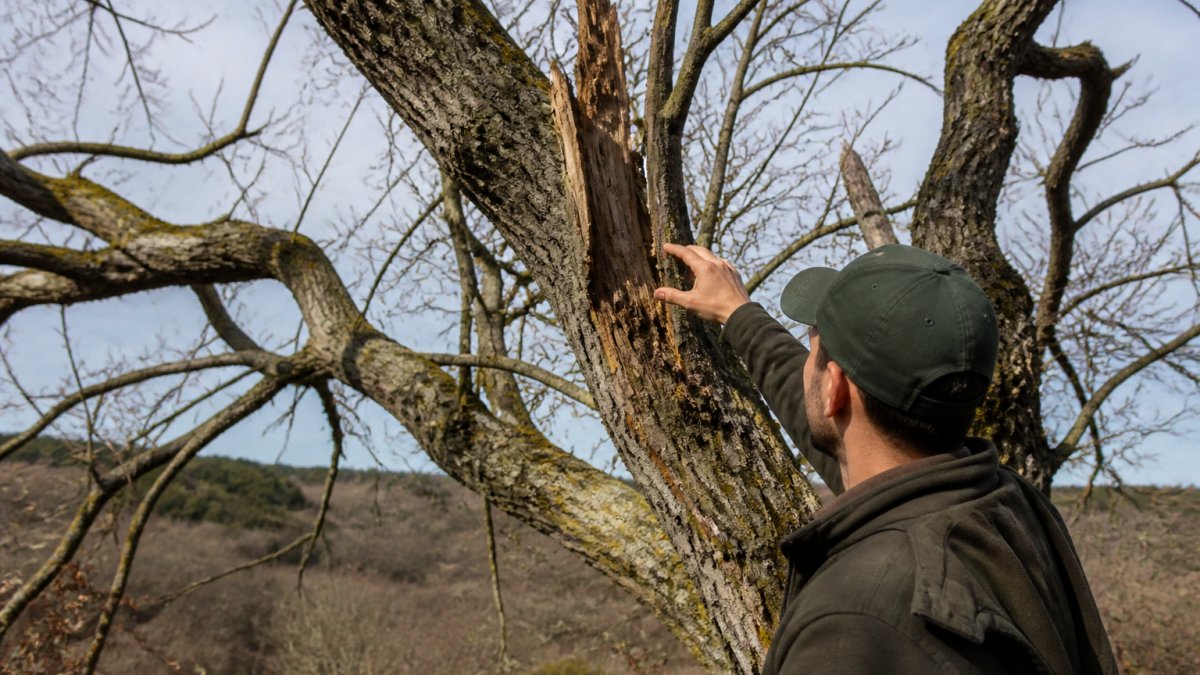
Deep, vertical cracks running several feet down the trunk indicate structural damage, the tree is failing from the inside out.
Press your fingernail into the bark.
Trunk Cavities, Cracks, and Hollow Sections
Large trunk cavities signal advanced decay. Fungi have worked inside for years, and hollow sections weaken structural integrity.
Tap the trunk with a hammer or mallet.
Cracks extending through the trunk are critical. They let water and disease penetrate the heartwood, and once the core is compromised, recovery is unlikely.
Fungal Growth and Visible Decay
Mushrooms or fungal fruiting bodies on the trunk or roots are a clear sign of advanced decay, the fungi are breaking down the wood.
Oozing sap, especially dark or discolored, indicates disease or pest damage the tree cannot seal fast enough.
Sawdust or frass around the base or on branches suggests boring insects tunneling through the wood and weakening the tree from inside.
Oozing Sap and Unusual Growths
Cankers are sunken, dead areas where the tree failed to compartmentalize damage. They expand yearly, eventually girdling the branch or trunk.
Galls and burls are abnormal growths that, while not always fatal, indicate long-term stress.
Dark, sticky, or foul-smelling ooze is worse than clear sap, it suggests bacterial infection or disease, and a failing immune system.
How to Tell If a Tree Is Dead or Stressed: The Distinction
Not every sick tree is dying. A stressed tree can recover with proper care; one in irreversible decline will not.
Reversible Stress Versus Irreversible Decline
Reversible stress comes from temporary conditions like drought, compacted soil, or recent transplanting. Remove the stressor and the tree rebounds.
Signs of reversible stress:
- Wilting leaves that recover after watering
- Yellowing that appears only in one growing season
- Branch dieback limited to one side of the tree
- Healthy bark that remains intact
Irreversible decline means the tree's core systems are failing. The damage has spread too far to undo.
Signs of irreversible decline:
- More than 50 percent of the canopy is dead or dying
- Decay visible deep in the trunk or roots
- Bark stripped or missing over large areas
- Multiple major branches dead or dying simultaneously
Species- and Season-Specific Diagnosis
Different trees show stress differently.
Deciduous trees drop leaves naturally in fall.
Evergreens hold needles year-round. Dropping needles in the growing season means stress; persistent browning needles signal serious trouble.
Winter dormancy can mask problems, a tree that looks dead in February may leaf out normally. Wait until late spring for a final diagnosis.
How to Check If a Tree Branch Is Dead: The Scratch Test
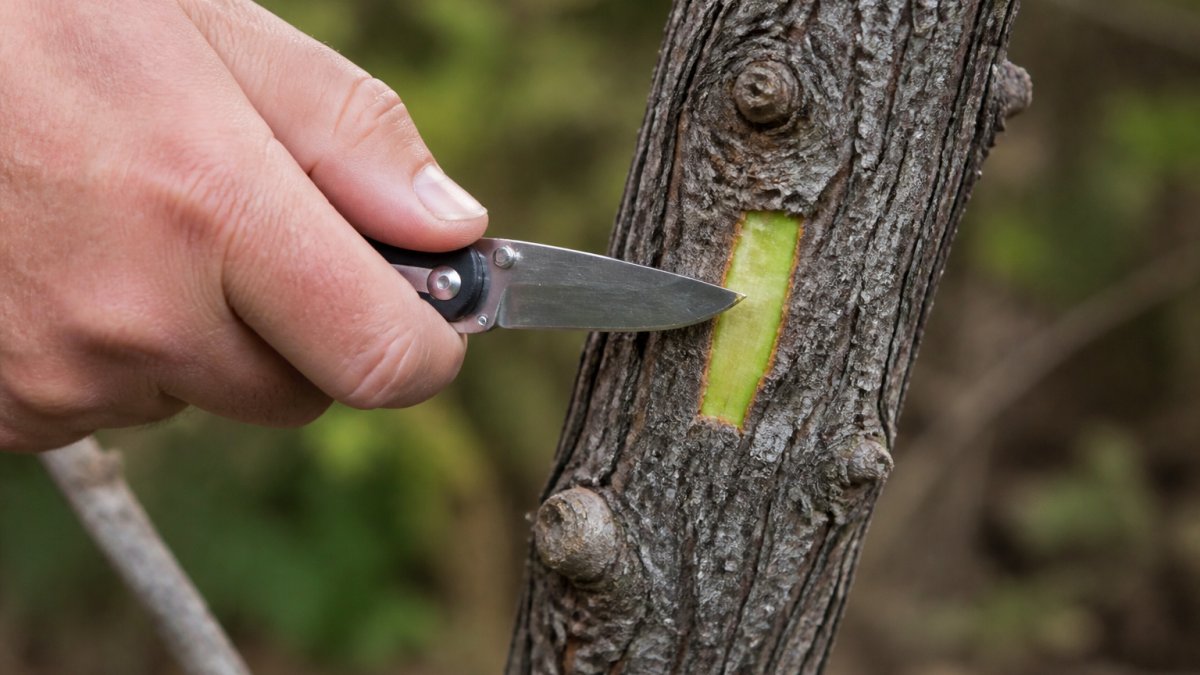
Understanding how to tell if tree is dying includes mastering the scratch test, the most reliable way to determine if a branch is truly dead. It takes 30 seconds and requires no tools except your fingernail or a knife.
Step-by-Step Branch Inspection Process
Step 1: Select the branch. Choose a questionable branch.
Step 2: Bend the branch gently. Living branches flex. Dead branches snap or feel brittle.
Step 3: Locate a section of bark. Find a spot about the thickness of a pencil.
Step 5: Look at the tissue underneath. This is the key. What color is the exposed wood?
What Green and Brown Tissue Tell You
Green tissue means the branch is alive.
Brown or gray tissue means the branch is dead. The cambium has stopped functioning. No water is moving through this branch. It will not recover.
Test multiple spots on the same branch.
Test several branches at different heights.
Conducting a Safe Tree Inspection Checklist
Never climb a tree to inspect it yourself. Climbing is dangerous and unnecessary. A complete ground-level inspection reveals everything you need to know.
Visual Assessment From the Ground
Walk around the entire tree. Don't just look at the side facing your house.
Inspection checklist:
- Check the canopy density from all four sides
- Look for bare branches or large gaps in the crown
- Note any obvious dead branches or limbs
- Scan the trunk for cracks, cavities, or peeling bark
- Look for mushrooms, fungi, or unusual growths
- Check for oozing sap or discolored bark
- Observe the overall lean or tilt of the tree
- Note any signs of pest damage or sawdust
Step back 20 feet if possible. Distance gives you perspective. A tree that looks bad up close might have more life than you think when viewed as a whole.
Root Damage and Stem-Girdling Roots
Examine the base of the tree where it enters the soil. Healthy roots should spread outward from the trunk.
Stem-girdling roots wrap around the trunk instead of spreading out. These roots strangle the tree over time, cutting off water and nutrient flow.
Signs of root problems:
- Exposed roots at the soil surface
- Roots wrapped visibly around the trunk
- Soil heaving or cracking around the base
- Sunken areas near the tree base
Soil compaction is also serious. If the soil is hard and won't accept water, roots cannot absorb moisture.
Stability and Severe Leaning
A tree that leans significantly is unstable. Some lean is normal, especially on hillsides. Extreme lean or sudden lean is dangerous.
Check for these stability problems:
- Lean that has increased noticeably in the last year or two
- Cracks or heaving soil on the uphill side of a leaning tree
- Roots lifting out of the ground on one side
- The tree appearing to rest on another tree or structure
A severely leaning tree that is also dying is a hazard. The combination of decline and instability means failure could happen without warning.
What to Do With a Dying Tree: Care and Recovery Options
Early intervention saves trees. Once you confirm decline, action matters.
Immediate Care Steps for Stressed Trees
Water deeply if drought is the cause. Stressed trees need consistent moisture.
Stop pruning except for dead wood removal. Pruning stresses a declining tree further.
Do not fertilize a dying tree.
Mulch around the base to conserve moisture and moderate soil temperature.
Address soil compaction if present. Aeration can help, but severe compaction may require professional intervention.
When Recovery Is No Longer Possible
If more than half the canopy is dead, recovery is unlikely.
If decay is visible in the trunk, the structural damage is done.
If the tree is leaning severely and declining, waiting increases the risk. The tree will fail eventually.
When recovery is not possible, removal is the safest option. A dead or dying tree becomes a hazard.
When to Remove a Dead Tree: Urgency and Safety Risk Assessment
Not every dying tree needs immediate removal. Context matters. A small dead tree far from structures is less urgent than a large dead tree hanging over your house.
Hazard Identification and Risk Triage
Ask these questions to determine urgency:
- Is the tree near your house, a neighbor's property, or power lines?
- Is the tree large (over 40 feet tall)?
- Are there dead branches hanging over occupied areas?
- Is the tree leaning toward a structure?
- Has the tree already dropped large branches?
High-risk situations demand quick action. A large dead tree over your roof is an emergency. A small dead tree in an empty corner of your property can wait.
Medium-risk trees should be removed within the next season. They pose a threat but are not immediate emergencies.
Low-risk trees can be monitored. If they remain stable and pose no hazard, removal can be delayed.
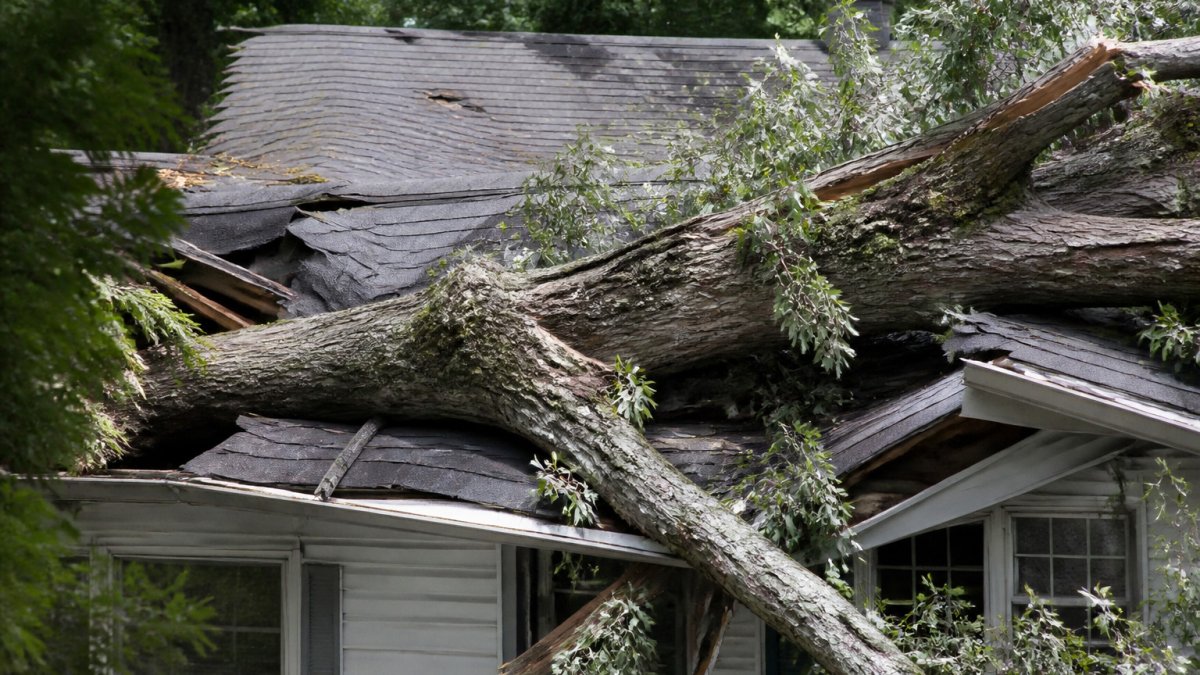
Emergency Removal After Storm Damage
Storm damage creates immediate hazards. Broken branches hang precariously. Uprooted or severely damaged trees can fail completely.
Do not wait after a storm. Call a professional immediately if a tree is damaged and poses a risk.
Red Woodpecker Tree Service offers 24/7 emergency response for storm-damaged trees. We assess damage quickly and remove hazards safely.
Common Mistakes to Avoid During Tree Inspection
Do not assume a tree is dead just because it looks bad in winter.
Do not confuse natural pruning with decline.
Do not ignore multiple warning signs. One warning sign might be temporary stress.
Do not attempt to climb the tree yourself to get a closer look.
Do not delay professional assessment if you are unsure.
When to Call an Arborist: Diagnostic Limits and Next Steps
If you cannot determine the tree's status after inspection, call an arborist. Some problems require professional expertise.
Arborists can:
- Diagnose diseases and pest damage
- Assess structural integrity and safety risk
- Recommend treatment or removal
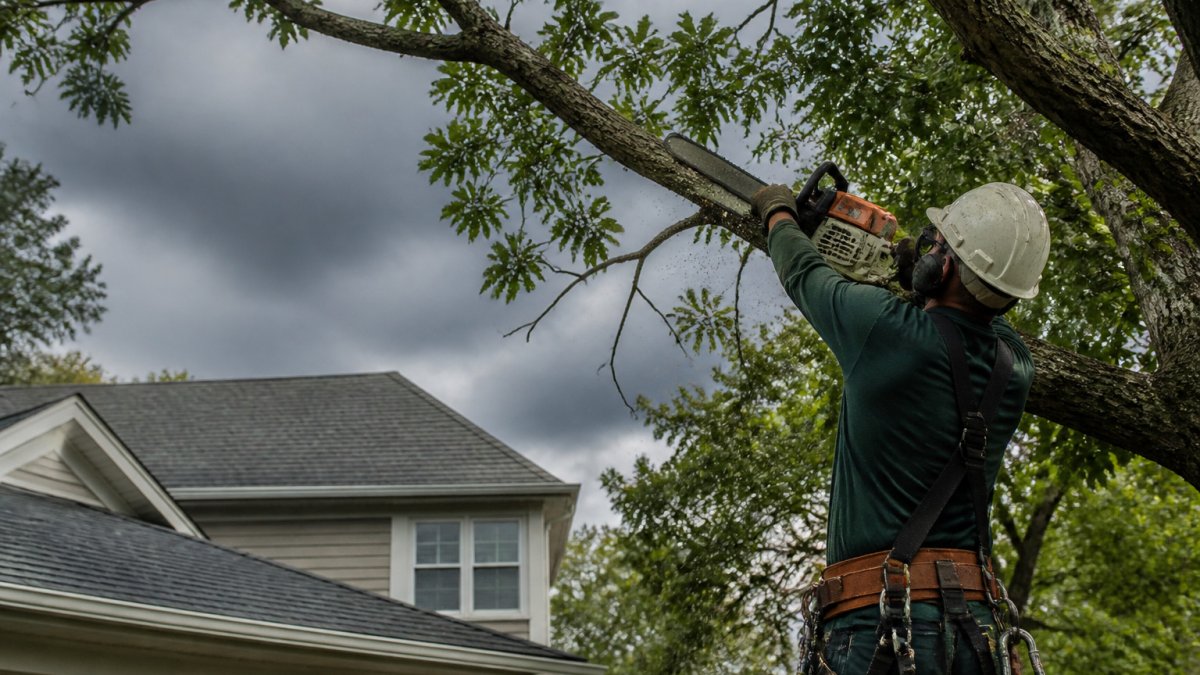
- Perform safe removal if needed
- Provide ongoing care plans
A professional assessment costs less than guessing wrong.
Red Woodpecker Tree Service employs trained and certified arborists who inspect trees thoroughly. We provide free estimates and honest recommendations.
Determining whether your tree is dying requires careful observation and honest assessment.
Frequently Asked Questions
How can you tell if a tree is dead or just stressed?
A dead tree shows no green tissue when you scratch the bark, has brittle branches that snap easily, and lacks any leaf growth even in spring. A stressed tree may have some green tissue beneath the bark, scattered living branches, or new leaves appearing late in the season. The scratch test is your quickest diagnostic tool: scrape several spots on branches and the trunk. If you find moist, green tissue under the bark, the tree has life. Stressed trees often recover with proper watering and care, while dead trees cannot.
Can a dead tree come back to life?
No. Once a tree is completely dead, it cannot recover. However, a stressed or declining tree may survive if you address the underlying problem quickly. Common causes of tree stress include drought, poor drainage, root damage, and disease. If you catch the problem early and provide proper care such as consistent watering, mulching, and pest management, many trees can stabilize and regain health. The key is acting before the tree enters irreversible decline.
What should I do if I find a dead tree on my property?
A dead tree is a safety hazard and should be removed. Dead wood becomes brittle and branches can fall unexpectedly, creating risk to people and property below. If the tree is near your house, fence, or driveway, removal becomes more urgent. For trees in open spaces, you have more time to plan. Contact a certified arborist or tree removal service for an assessment. They can determine if removal is necessary and handle the job safely with proper equipment.
How often should I inspect my trees for signs of decline?
Inspect your trees at least twice a year, in spring and fall. Spring inspections reveal whether trees leafed out normally and show new growth. Fall inspections show how trees prepared for winter and identify any summer stress or damage. After storms, inspect immediately for branch damage, leaning, or root exposure. Trees under stress from drought, pests, or disease may need monthly checks. Regular inspection helps you catch problems early when intervention is most effective.