 blog
How to Hire Local Tree Service: A Vetting Guide
Table of Contents
- What to Look for When You Hire Local Tree Service
- Key Questions to Ask a Tree Service Before Hiring
- Understanding Your Tree Service Estimate
- Finding a Certified Arborist Near Me
- Tree Removal Near Me: When to Call a Professional
- Safety, Insurance, and Liability Protection
- Permits, Protected Trees, and Local Regulations
- Red Flags and Common Mistakes to Avoid
- Frequently Asked Questions
Last Updated: October 5, 2026
What to Look for When You Hire Local Tree Service
When you hire local tree service, you're making a decision that affects your property's safety, appearance, and long-term landscape health. Hiring a qualified professional versus calling the first search result can mean the difference between a job done right and expensive property damage.
Start with three core credentials. First, verify the company employs certified arborists, they've passed rigorous International Society of Arboriculture (ISA) exams and maintain ongoing education, signaling real expertise in tree biology, safety protocols, and best practices (Continuing Education). Second, confirm they carry liability insurance and workers' compensation coverage to protect you if something goes wrong.
Beyond credentials, assess communication style. A reputable tree service answers questions directly, explains recommendations clearly, and provides written estimates before starting.
Finally, review their track record: customer reviews on independent platforms, references, and years in business. Consistent service and positive feedback prove they deliver results.
Key Questions to Ask a Tree Service Before Hiring
Asking the right questions before you hire local tree service separates informed decisions from costly mistakes, revealing whether a company understands your needs or is just closing a sale.
Start with the basics: "Are you insured and licensed?" A professional provides proof without hesitation.
Next, ask about experience with your specific situation. For emergency storm removal, ask about response time and 24/7 service. For a hazardous tree near your house, ask how they handle tight spaces and similar jobs.
Ask about the crew: "Will certified arborists be on-site?" A crew led by certified arborists brings knowledge of tree biology, proper pruning techniques, and safety that untrained crews lack.
Finally, ask what's included in the estimate and after the job: "Does it include debris removal and cleanup? Will you grind the stump or leave it? What's your cleanup process?" These details prevent invoice surprises.
Understanding Your Tree Service Estimate
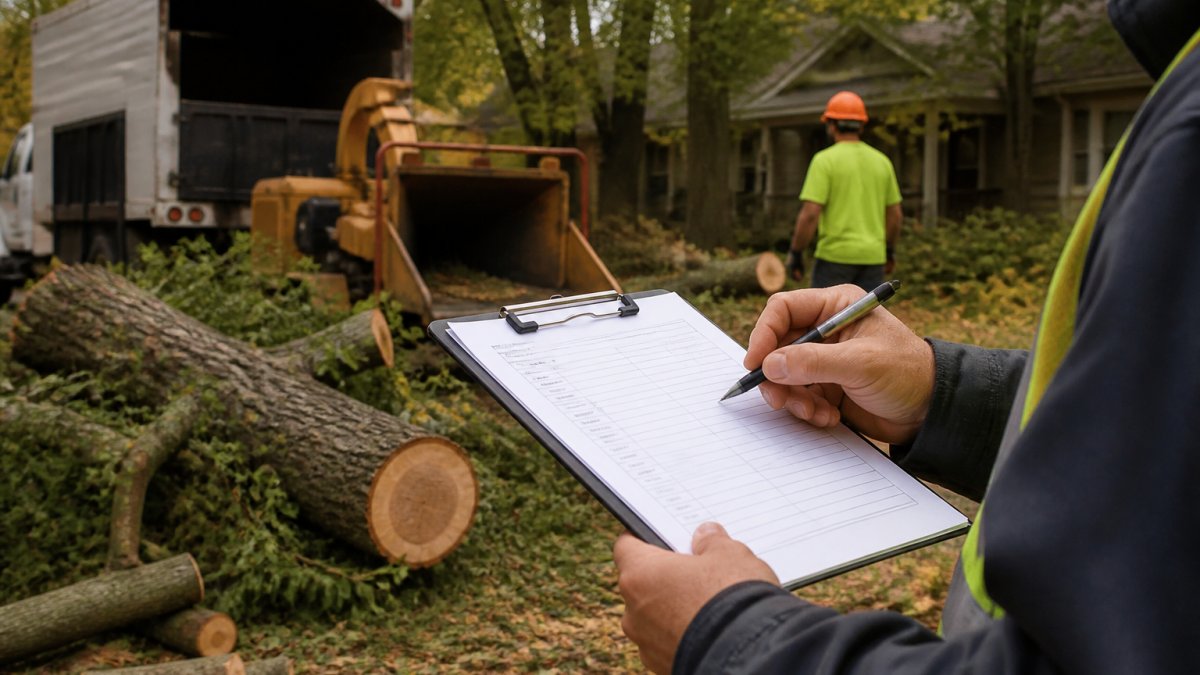
An estimate is more than a price, it's a detailed plan and a comparison tool. The goal is to turn two or three bids into an apples-to-apples comparison so you can judge value, not just the bottom line.
What Should Be Included in a Written Estimate
A professional estimate describes the work in specific terms, listing each tree or service separately. "Remove 40-foot oak tree near house, including stump grinding and debris removal" is specific. "Tree removal service" is not.
The estimate should break down labor, equipment, and disposal costs, and specify whether stump grinding and debris removal are included and what cleanup entails. A complete estimate also includes the timeline, arrival time, job duration, and weather contingencies.
A written estimate protects both parties, creating a clear agreement about scope, price, and expectations. Before signing, verify it addresses every tree or service discussed and includes all details you care about.
Line Items to Compare Side by Side
With two or three estimates in hand, don't compare totals, compare line items. Build a grid with one column per provider and one row per item, then check off what each bid includes:
- Tree identification and count, Does the bid name each tree by species, size, and location, or just say "three trees"?
- Removal method, Will the crew climb, use a bucket truck, or crane-assist? Method drives both price and risk.
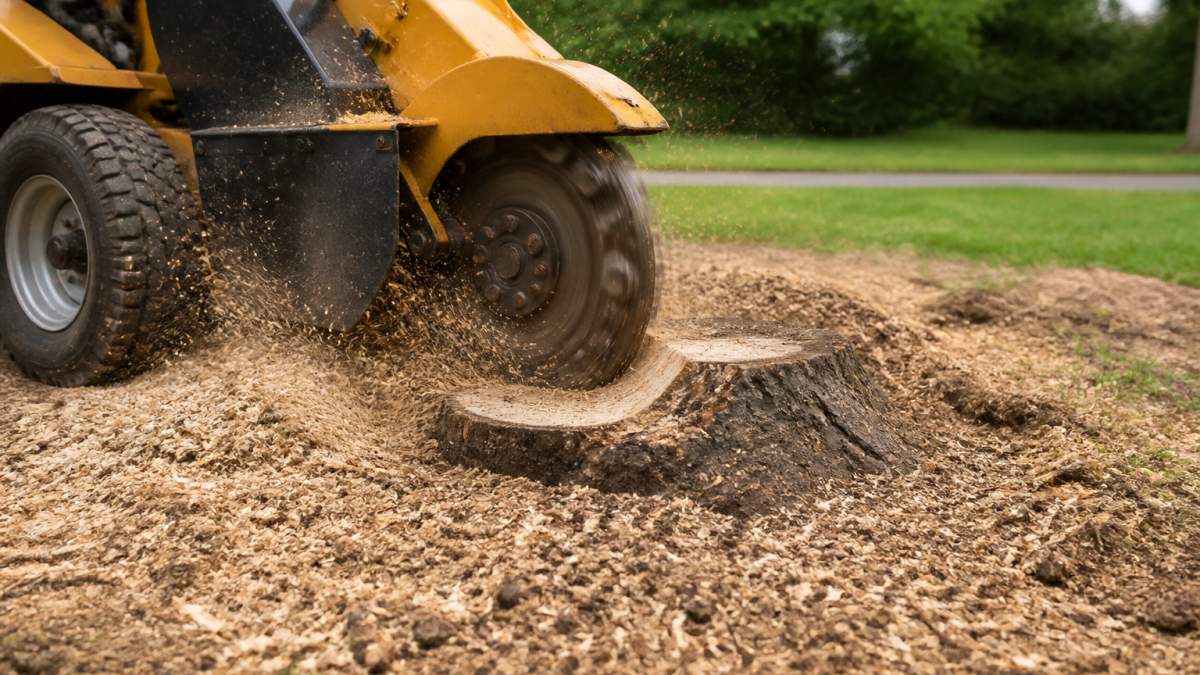
- Stump grinding depth, Grinding to 6-8 inches below grade is common; a shallow grind leaves a stump that resprouts.
- Debris and chip disposal, Is haul-away included, or will you be left with a pile of logs and chips?
- Cleanup standard, Raking, blowing, and hauling, or just "cleanup" as a word?
- Permits, Who pulls them, and is the fee in the bid or billed separately?
- Timeline and crew size, How many workers, how many days, and what weather delays are excluded?
- Insurance verification, Is a certificate of insurance attached or promised on request?
Any row where one bid is blank is a row where that bid is not actually comparable. Fill the blanks before you decide.
What Drives the Price Up or Down
Cost tracks complexity, not just tree size. A tall tree in an open yard can cost less to remove than a shorter tree leaning over a roof, fence, or power lines. Access matters: if a crane or bucket truck can't reach the tree, expect more climbing, rigging, and labor hours. Proximity to structures, a septic field or driveway to protect, and debris volume all move the number. Disposal fees vary too, chips and mulch are often cheaper to move than large logs.
How to Spot a Vague or Unusually Low Bid
A dramatically lower bid is a signal to ask questions, not celebrate. Common explanations:
- Stump grinding, debris removal, or cleanup is excluded and will be added later.
- The crew is uninsured or misclassifies workers, shifting risk onto you.
- The plan skips rigging or protective measures, which raises the chance of property damage.
- The price is a verbal "starting at" figure that grows once work begins.
Ask each provider to confirm in writing that the quoted price covers the full scope discussed. If a low bid can't explain the difference concretely, treat it as incomplete rather than cheap.
Red Woodpecker Tree Service provides free estimates. A transparent estimate lets you make an informed decision based on value, not just price.
Finding a Certified Arborist Near Me
A certified arborist brings expertise that matters for complex jobs. ISA certification is the industry standard, requiring a comprehensive exam covering tree biology, safety, and best practices.
Start with the ISA directory on their website, searchable by location and specialty, to find genuinely certified professionals rather than companies claiming credentials they don't have. When you contact a provider, ask directly: "Are your on-site crew members ISA certified?" and request proof if needed.
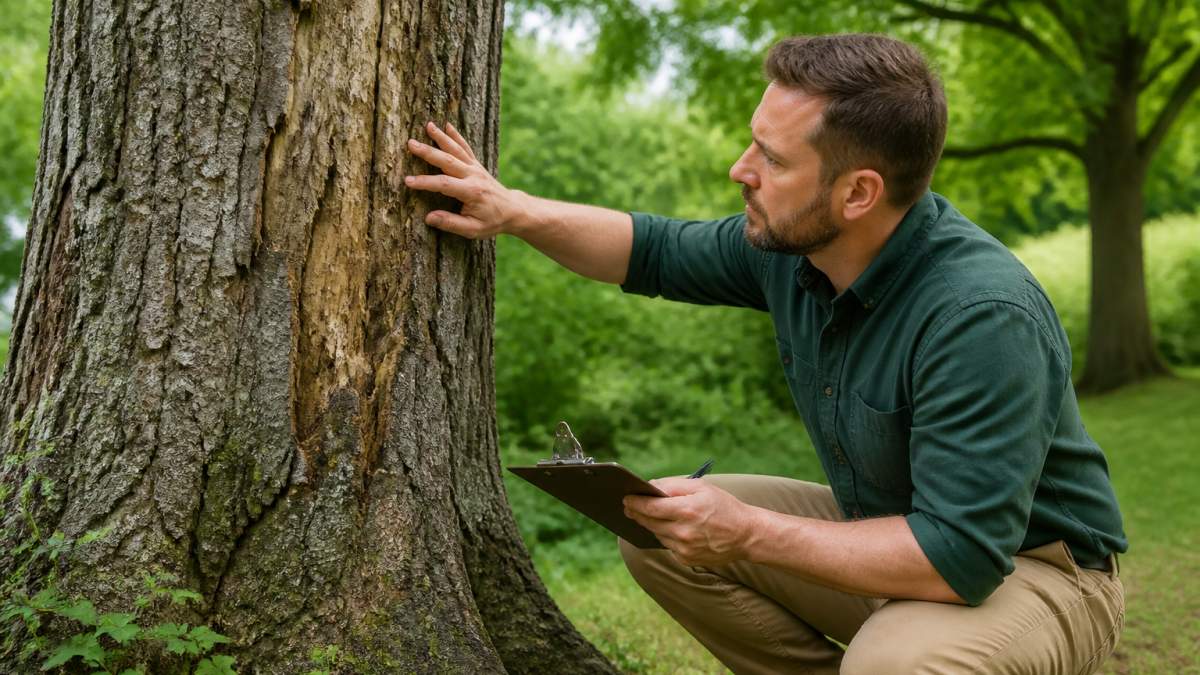
Certified arborists are especially valuable for assessing tree health, diagnosing disease or pests, and determining whether a tree can be saved or must be removed. They distinguish a salvageable tree from a genuine risk, preventing unnecessary removals and preserving healthy trees.
Tree Removal Near Me: When to Call a Professional
Not every tree problem requires removal. Knowing when a tree needs to come down versus maintenance is crucial for smart property decisions.
Call a professional when a tree is dead, dying, or hazardous. A dead tree won't recover and grows more dangerous as branches weaken and fall.
Storm damage is another trigger: if a storm tears large branches from a healthy tree, a professional determines whether it can be pruned safely or removed. Trees with large cavities, severe lean, or major cracks should always be evaluated before deciding on removal.
The key is a professional assessment rather than guessing: what looks like a problem may be manageable with pruning, and what seems stable may be at risk. A certified arborist can make this call accurately.
Safety, Insurance, and Liability Protection
Tree work is inherently risky. Professional tree services manage that risk through training, equipment, and insurance. When you hire local tree service, you're paying partly for the expertise that keeps the job safe.
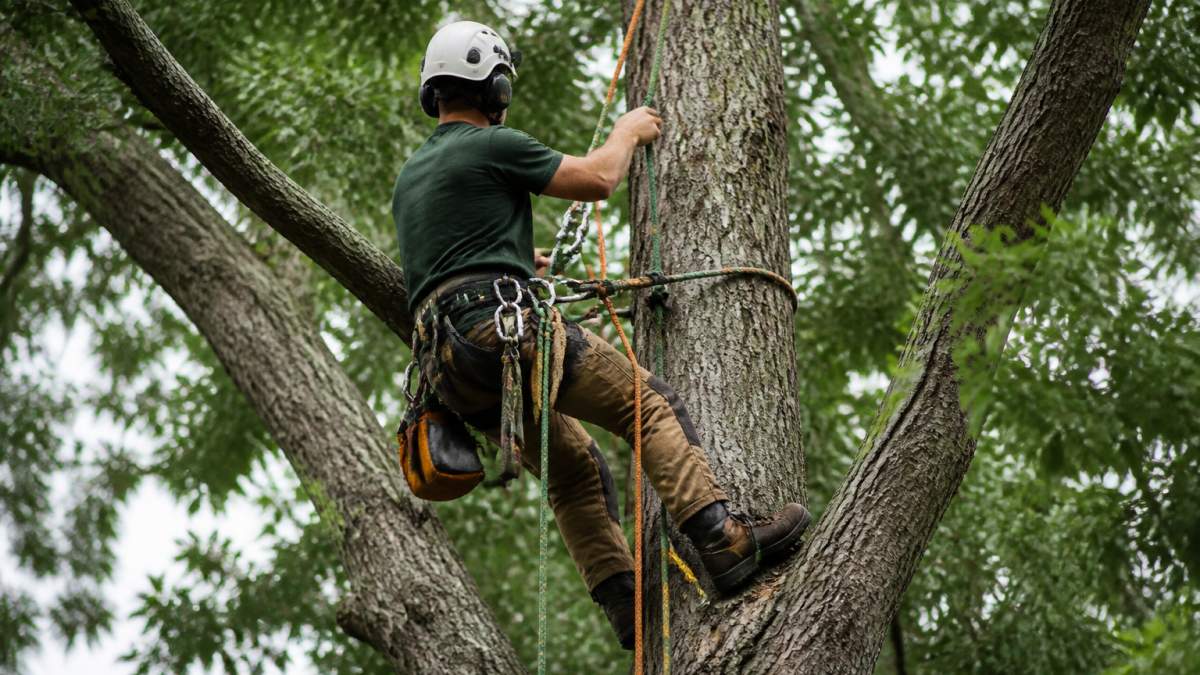
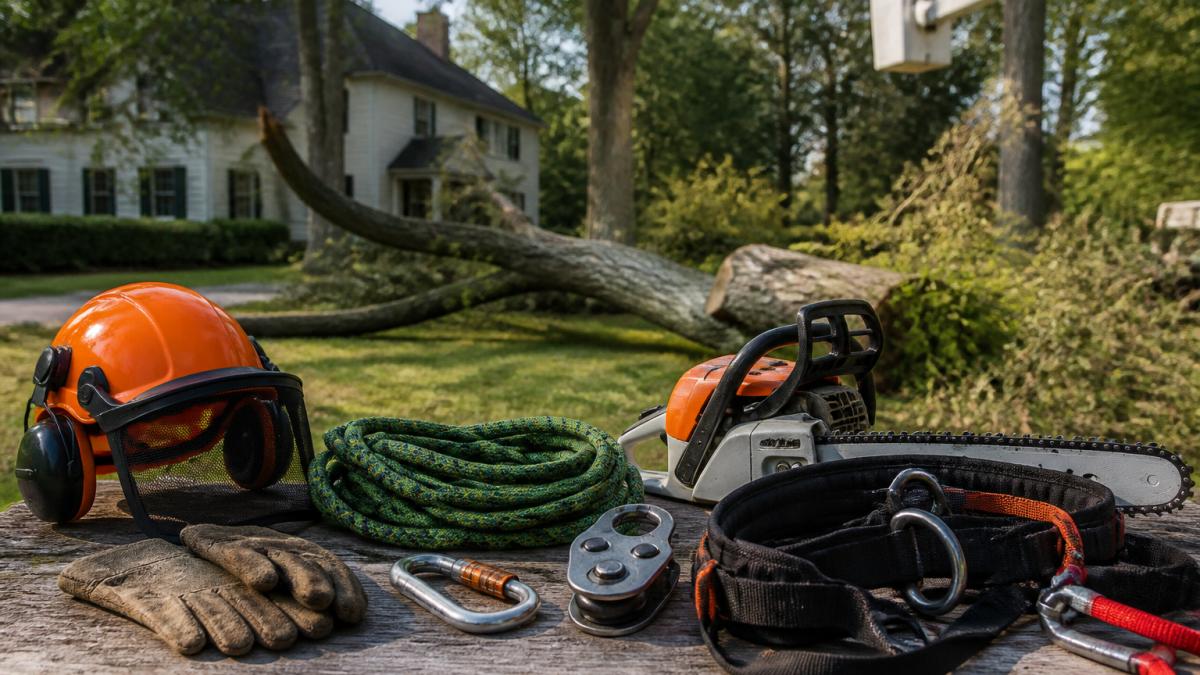
Legitimate companies require crews to follow ANSI safety standards and use proper equipment, harnesses, helmets, rigging systems, and maintained tools.
Before hiring, verify coverage limits and ask for a certificate of insurance naming you as an additional insured. A company that hesitates to provide proof is a red flag, they're likely uninsured or operating informally.
Red Woodpecker Tree Service maintains full insurance coverage and trains its crews in professional safety practices. This protects both your property and the crew doing the work.
Permits, Protected Trees, and Local Regulations
Tree work regulations vary by location. Some areas have strict rules about which trees you can remove, when, and whether permits are required. Ignoring them can bring fines, legal action, or an order to replant, so understand the common patterns before you sign anything.
The Rules You're Most Likely to Run Into
Most local tree ordinances fall into a few recognizable categories:
- Diameter or caliper thresholds. Many municipalities protect trees above a certain trunk diameter, often measured at breast height, regardless of species. Below the threshold you may remove freely; above it you may need a permit.
- Protected and heritage species. Certain native or landmark trees are singled out for extra protection, sometimes with a separate approval process.
- Replacement requirements. Some codes require you to plant one or more replacement trees when a protected tree is removed, or to pay into a tree fund.
- Tree removal on private property near the public right-of-way. Trees in or near a planting strip or easement may be treated as public even though they sit on your side of the line.
- Seasonal and wildlife restrictions. Work may be limited during nesting season for protected birds, and some areas restrict pruning during certain months.
- Homeowner association and deed restrictions. Even where the city allows removal, an HOA covenant may require approval first.
How to Check Before Work Begins
Start with your local government's website and search for the tree ordinance or urban forestry page, many cities publish a plain-language guide and permit application. If unclear, call the city arborist or permits department and describe your tree: species, trunk diameter, and lot location. Ask three questions: Is a permit required? Is there a fee? Are replacement plantings required?
If you're in an HOA, check covenants separately, city approval does not override a private restriction.
What a Professional Should Handle for You
A professional tree service knows local regulations and will flag if a permit is needed, handling the process or advising you on it. Ask upfront whether the permit fee is included in the estimate or billed separately, and get the answer in writing.
Red Flags and Common Mistakes to Avoid
Certain warning signs mean you should look elsewhere when you hire local tree service. Spotting them prevents costly mistakes.
Avoid companies that quote over the phone without seeing the trees. Pricing depends on size, location, access, and complexity, so a legitimate estimate requires an in-person assessment.
Watch for crews without proper equipment or safety gear.
Be skeptical of pressure to decide immediately. Legitimate companies give you time to get multiple estimates and ask questions; high-pressure tactics suggest interest in the sale, not your satisfaction.
Avoid the cheapest option without understanding why it's cheaper. Compare apples to apples, same services, scope, and timeline.
Don't hire based on a single review or recommendation. Read multiple reviews, check references, and verify credentials independently, consistent positive feedback across sources is what matters.
Finally, avoid cash-only companies without insurance verification, this often signals informal operation and missing insurance and licensing.
When you're ready to hire local tree service, you have the information to make a confident decision. Red Woodpecker Tree Service offers free estimates and transparent pricing that makes comparison straightforward. The International Society of Arboriculture provides guidance on finding certified professionals.
Frequently Asked Questions
What certifications should I look for when hiring a tree service?
Look for a certified arborist near me with credentials from the International Society of Arboriculture (ISA). ISA certification requires passing an exam and maintaining continuing education. Verify the certification on the ISA registry. Licensed contractors and proper business registration are also essential. Ask to see proof of current certifications before signing any agreement.
How many tree service estimates should I get before deciding?
Get at least three estimates from different providers. This helps you compare pricing, scope of work, and professionalism. A good tree service estimate should itemize the work, include cleanup, specify equipment, and explain any debris removal costs. Avoid unusually low bids, they often indicate inexperience or hidden costs later.
What should I ask about insurance and liability?
Ask if the provider carries liability insurance and workers' compensation. Request proof of current coverage. Liability insurance protects your property if something goes wrong during tree removal or trimming. Workers' compensation covers their crew if someone is injured on your property. Never hire an uninsured tree service, you could be liable for accidents.
Do I need a permit to remove a tree on my property?
Permit requirements vary by location. Some areas require permits for tree removal, especially for protected species or trees above a certain size. Check with your local city or county planning department before hiring. A reputable tree service will know local regulations and help you understand what permits are needed for your specific job.