 how-to
How to Find Certified Arborists: A 2026 Guide
Table of Contents
- Why Certified Arborists Matter for Your Tree Care
- Understanding ISA Certification and Arborist Credentials
- How to Verify Arborist Certification
- Finding Certified Arborists in Your Area
- Questions to Ask an Arborist Before Hiring
- Understanding Arborist Cost Per Hour and Estimates
- Using a Certified Arborist Directory and Local Resources
- Red Flags and Safety Considerations
- Frequently Asked Questions
Last Updated: October 14, 2026
Why Certified Arborists Matter for Your Tree Care
Trees are living assets that add value, provide shade, and improve air quality, but they need expert care.
Certification matters. A certified arborist has passed rigorous training and testing and understands tree biology, safety protocols, and best practices.
To find certified arborists who've invested in their expertise, work with professionals like those at Red Woodpecker Tree Service.
The challenge for homeowners is simple: how do you find certified arborists in your area, and how do you know their credentials are real?
Understanding ISA Certification and Arborist Credentials
What ISA Certification Means
The International Society of Arboriculture (ISA) sets the standard for professional tree care. An ISA-certified arborist has passed a comprehensive written exam covering tree biology, pruning, pest management, and safety.
Certification isn't one-time: arborists must complete continuing education credits every three years, keeping them current with new research and best practices.
ISA certification tells you the person has met a national standard, demonstrated knowledge through testing, and committed to ongoing professional development.
Certified vs. Qualified Arborists
The terms sound similar, but they mean different things.
A certified arborist holds an active ISA credential. They've passed the exam and maintain continuing education. They're tracked in the ISA registry.
A qualified arborist has training and experience but may not hold formal ISA certification. Some states use "qualified" for professionals meeting local licensing requirements.
For most homeowners, a certified arborist is the safer choice. You get a verifiable credential backed by national standards.
How to Verify Arborist Certification
Using the ISA Credential Verification Tool
The ISA maintains an online database to verify any arborist's certification status (Digital Badges). Here's how:
- Visit the ISA website and locate the "Verify a Credential" tool
- Enter the arborist's name or credential number
- The database shows their certification status and expiration date
- If they appear in the database with an active credential, they're certified
This tool is free and takes less than a minute. It's the fastest way to confirm someone's credentials are real.
Checking Local Arborist Associations
Beyond the ISA, regional and state arborist associations maintain membership lists, often requiring ISA certification or equivalent standards.
Search your state or region plus "arborist association" for searchable directories where you can verify membership and see additional credentials or specializations.
Local associations also publish ethics codes and complaint procedures, giving you a formal channel if you have an issue with a member.
Finding Certified Arborists in Your Area
Using the ISA Find an Arborist Directory
The ISA operates a public "Find an Arborist" directory, searchable by location and specialty. Here's the process:
- Go to the ISA's Find an Arborist tool
- Enter your zip code or city
- Filter by service type (removal, pruning, consulting, etc.)
- The tool displays certified arborists in your area with contact information
The directory shows which arborists hold ISA certification, along with specializations and contact details, your primary resource for locating qualified professionals near you.
Searching by Location and Specialty
Narrow your directory search by what you need, arborists specialize in different areas.
Some focus on removal and emergency response, others on health assessment and disease management, and some work as consulting arborists offering evaluations without performing the work.
Match the specialty to your job: for emergency storm cleanup, find 24/7 response capability; for a health assessment, look for a consulting arborist or tree inspections.
Questions to Ask an Arborist Before Hiring
Before you hire anyone, ask these questions:
- "Are you ISA-certified?", Confirm they hold active certification. Ask for their credential number and verify it using the ISA tool.
- "What continuing education have you completed?", Certified arborists take ongoing training. Ask what topics they've studied recently.
- "Are you licensed and insured?", Professional liability insurance protects you if something goes wrong. Ask for proof of coverage.
These questions separate professionals from amateurs. Good arborists answer them clearly and provide documentation.
Understanding Arborist Cost Per Hour and Estimates
Most tree-care companies don't bill by the hour, and an "hourly rate" usually means a crew rate, not a single climber's time. That matters when comparing bids: a two-person crew at a lower rate can cost more than a three-person crew finishing in half a day.
What Actually Drives the Price
A written estimate bundles risk, labor, equipment, and disposal.
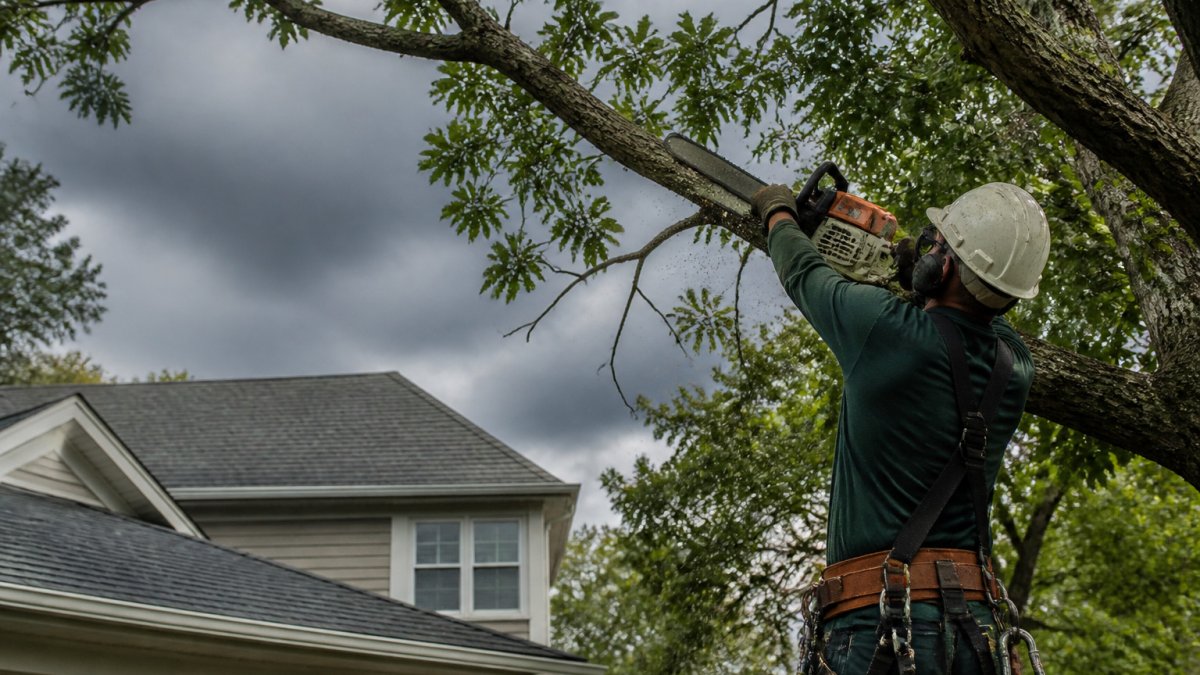
- Tree size and species. A 60-foot silver maple with a wide canopy takes longer to rig and lower than a 25-foot ornamental. Dense, heavy wood (oak, hickory) is slower to cut and haul than softwood.
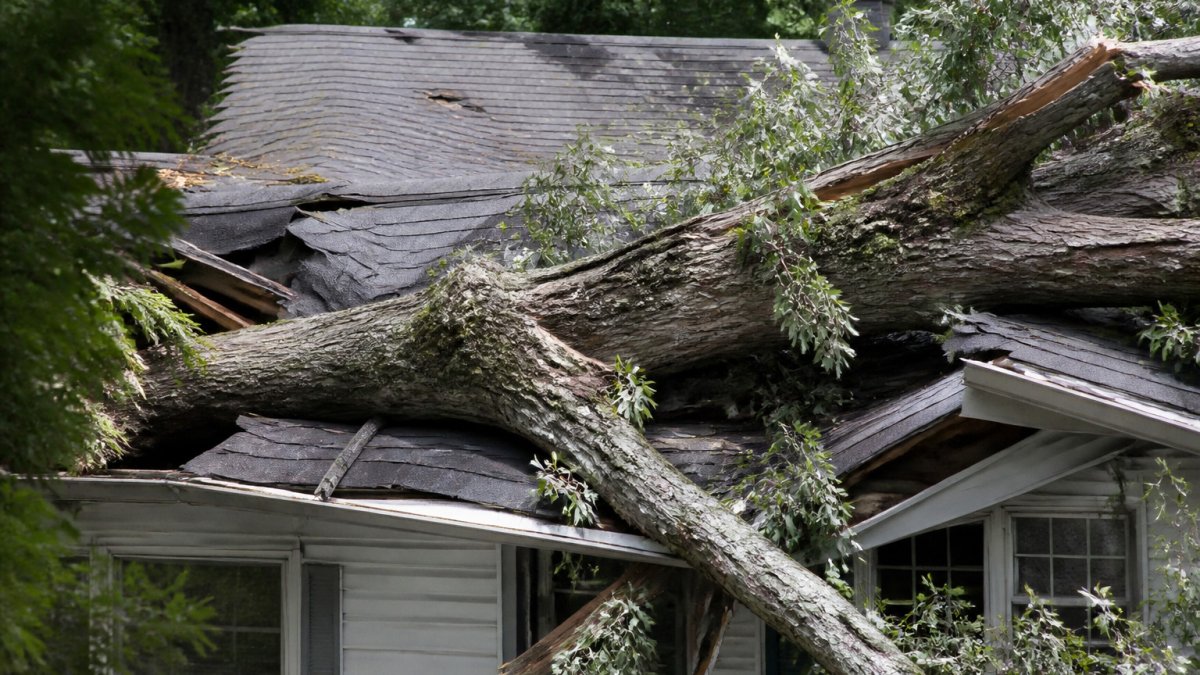
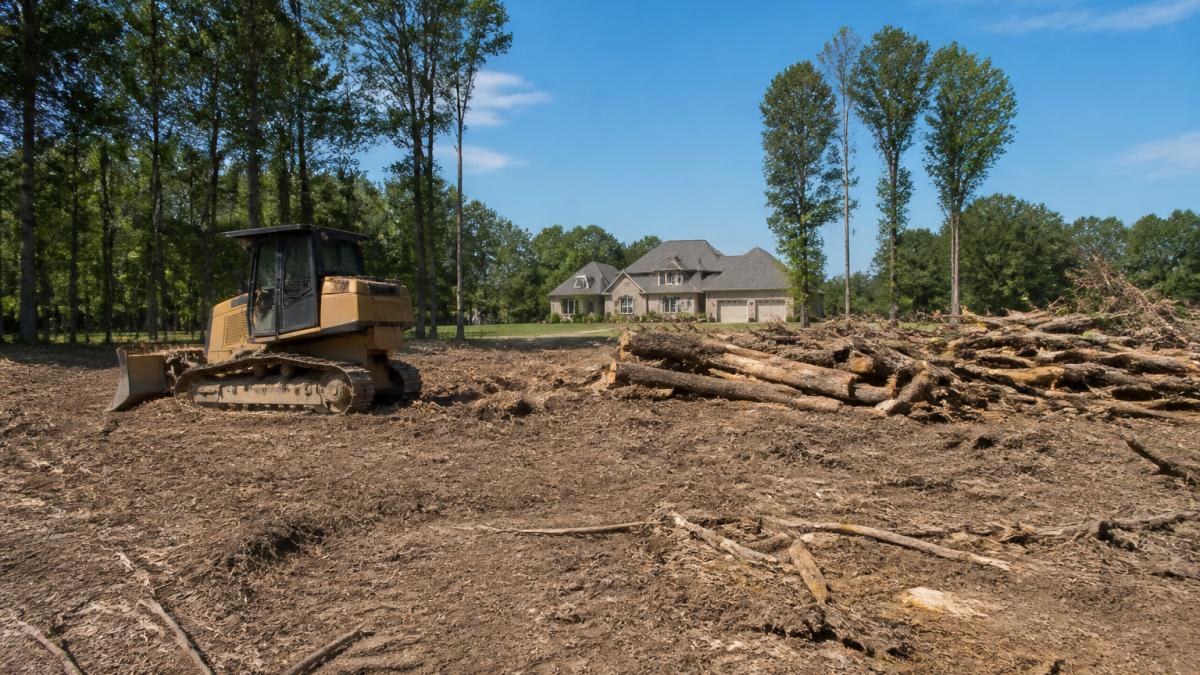
- Proximity to targets. A tree leaning over a roof, driveway, fence, or utility line requires rigging, lowering lines, and sometimes a crane. A tree in an open back field can often be felled in sections and dropped.
- Access. A backyard with a narrow gate, a slope, or soft turf means smaller equipment, hand-carrying brush, and plywood mats to protect the lawn. All of that adds labor hours.
Reading a Written Estimate Line by Line
A professional estimate should be specific enough that two bidders describe the same job. Look for:
- Scope of work in plain language, e.g., "Remove one 55-foot oak, rig over garage, grind stump 8 inches below grade, haul all debris."
- What is excluded, stump grinding, debris hauling, and root pruning are common exclusions. If it is not listed, assume it is not included.
- Equipment named, bucket truck, crane, chipper, stump grinder. This tells you how the work will be done and whether the bid is realistic.
- Cleanup standard, "rake and blow" versus "leave chips." Get it in writing.
- Timeline and weather contingency, tree work is weather-dependent; a good estimate says so.
- Payment terms, deposit amount, progress payments, and final payment on completion. Be wary of large upfront cash demands.
- Insurance certificate attached, general liability and workers' compensation. If it is not attached, request it before signing.
Comparing Bids Without Choosing on Price Alone
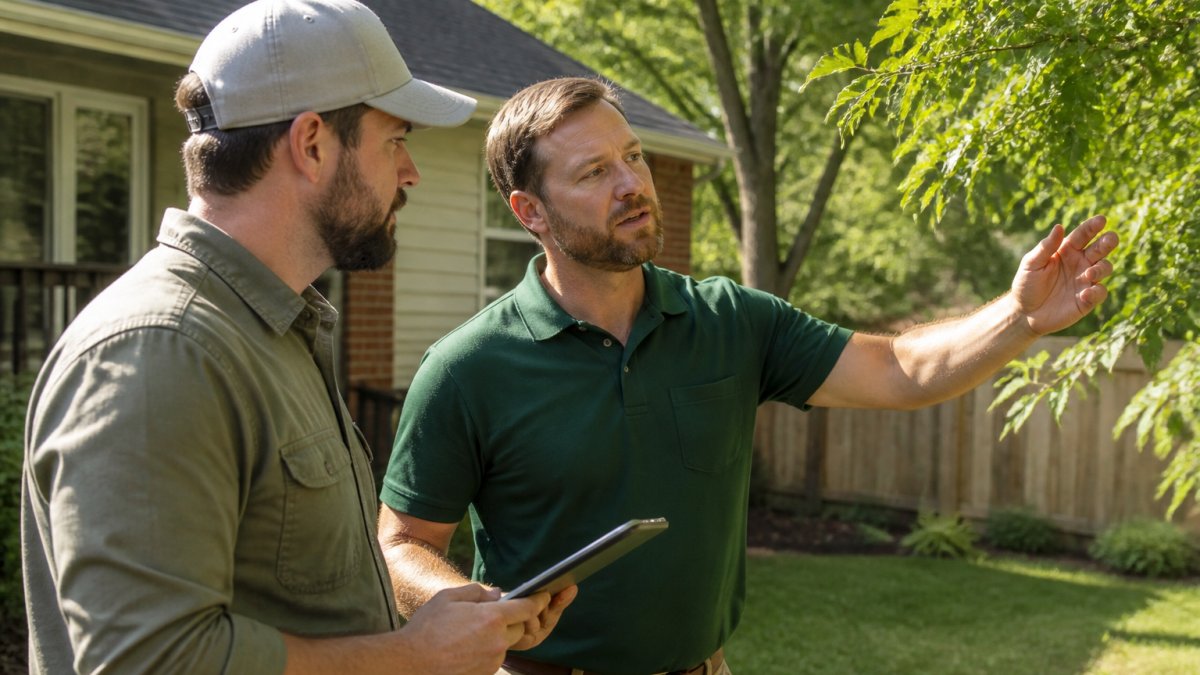
Get at least three written estimates and compare scope, not just the bottom line. Ask each bidder to explain any differing line item.
Normalize the bids: list the same tasks on a sheet and check off which bidder includes each. The bid covering the most of what you need, from a verifiable certified arborist with proof of insurance, is usually the best value.
What to Do If the Numbers Are Far Apart
If one bid is dramatically higher, ask what it includes that others don't. If one is dramatically lower, ask what's excluded. Don't sign until scope, insurance, and credentials are clear.
Using a Certified Arborist Directory and Local Resources
A directory gives you names, not whether the person is licensed where you live, insured, or right for your job. This section turns directory results into a hiring decision.
Regional and State Arborist Associations
Most states have a professional arborist or tree-care association with a member directory and code of ethics. Search your state plus "arborist association" or "tree care association." Membership typically requires ISA certification or equivalent, and many list specialties like plant health care, risk assessment, or municipal consulting.
These associations also offer local context: common species, active pests and diseases, and pruning seasons. Some publish complaint procedures, giving you a formal channel beyond a bad review.
Verifying Licensing and Insurance
Certification and licensing differ: ISA certification is a voluntary national credential, while licensing, where it exists, is a state or local requirement. Some states license tree-care companies; many don't. Check your state's department of agriculture, consumer protection, or licensing board to see whether tree work requires a license and whether the company holds one.
Insurance is the part homeowners skip most and the part that protects you. Ask for two documents:
- Certificate of general liability insurance, covers damage to your property, such as a dropped limb through a roof or a crushed fence.
- Certificate of workers' compensation insurance, covers the crew if someone is injured on your property. Without it, an injured worker may come after you.
Call the agent listed on the certificate to confirm the policy is active and covers tree work. A legitimate company won't hesitate.
Matching Credentials to the Job
Not every job needs the same credential. Match the arborist to the work:
- Routine pruning and removal, an ISA Certified Arborist with a trained crew is appropriate.
- Tree risk assessment, look for the ISA Tree Risk Assessment Qualification (TRAQ) or a consulting arborist who writes reports.
- Plant health care and pest management, ask about ISA Certified Arborist specialties or state pesticide applicator licensing.
What to Ask Before You Sign
Once you have a shortlist, ask each candidate:
- What is your ISA credential number, and may I verify it?
- Are you licensed in this state or municipality, and what is the license number?
- Can you provide a certificate of general liability and workers' compensation insurance?
- Who will actually do the work, your employees or a subcontractor?
- Will you provide a written contract with scope, timeline, and payment terms?
- Who is responsible for permits, utility line clearance, and damage to my property?
- What is your cleanup standard, and is stump grinding included?
- Can you provide three local references for similar work?
The Written Contract
A written contract is not optional for professional tree work. It should state scope, total price, payment schedule, start and completion dates, cleanup standard, and who handles permits and damage, plus the insurance carrier and policy limits. If a company resists putting it in writing, treat that as a red flag.
Red Flags and Safety Considerations
Watch for these warning signs when evaluating arborists:
- No certification or credentials, If they can't verify ISA certification or state licensing, move on.
- No insurance, If they won't provide proof of coverage, don't hire them.
- Pressure to decide quickly, Legitimate arborists give you time to get estimates and check references.
The best protection is hiring someone certified, insured, and recommended by people you trust. Verify credentials and compare estimates, the extra effort upfront saves money and prevents problems down the road.
Frequently Asked Questions
How do I know if an arborist is certified?
A certified arborist holds credentials from the International Society of Arboriculture (ISA). You can verify certification using the ISA's Credential Verification tool on their website by entering the arborist's name. Certified arborists pass a written test covering tree biology, safety practices, and care standards, plus they complete continuing education hours annually. Ask for their certification number directly, legitimate professionals keep it current.
What's the difference between a certified and qualified arborist?
Certified arborists pass the ISA written exam and maintain ongoing education requirements. Qualified arborists have practical tree-care experience but may not hold ISA certification. For complex work like tree risk assessment or hazardous removals, certified arborists are preferable because they've proven knowledge of safety standards, tree health, and industry best practices.
How do I find a certified arborist directory to locate professionals near me?
The ISA maintains the Find an Arborist directory on their website, searchable by location and specialty. You can also contact your regional arborist association for referrals. Local chapters often have member directories and can recommend qualified professionals in your area who specialize in tree removal, pruning, health assessment, or emergency response.
What questions should I ask an arborist before hiring?
Ask about ISA certification and how long they've been in business. Request references from recent jobs similar to yours, proof of liability insurance and workers' compensation coverage, and a detailed written estimate. Ask how they handle emergency situations, whether they provide a tree assessment or inspection before work begins, and what their safety practices are. Understand what the estimate includes and what could increase costs.
Finding a certified arborist protects your trees and your property. Use the ISA directory to locate professionals in your area. Verify their credentials using the ISA verification tool. Ask about insurance, references, and experience before hiring. Red Woodpecker Tree Service maintains certified arborists on staff and carries full liability coverage. Get a free quote today and see how professional tree care improves your landscape.