 how-to
Emergency Tree Removal Cost: What to Expect
Table of Contents
- Emergency Tree Removal Cost: What Determines the Price
- Fallen Tree Removal Cost and Urgency Premiums
- Tree Removal Cost by Size: Small, Medium, and Large Trees
- Key Cost Factors: Access, Condition, and Location
- Getting an Accurate Tree Removal Estimate
- Homeowners Insurance and Tree Removal Coverage
- After-Hours and Emergency Service Premiums
- Safety Steps Before Your Tree Service Arrives
- Frequently Asked Questions
Last Updated: October 19, 2026
Emergency Tree Removal Cost: What Determines the Price
When a tree becomes a hazard, the clock starts ticking. A storm-damaged oak leaning toward your house, a dead pine dropping branches, or a tree split down the middle, these aren't decisions you can postpone. But before you call for help, you probably want to know what emergency tree removal cost will look like.
The truth is straightforward: emergency tree removal cost varies wildly depending on several factors. A small tree might run a few hundred dollars. A massive oak near power lines could cost several thousand. The difference comes down to tree size, location, condition, and how quickly you need the work done.
At Red Woodpecker Tree Service, we've handled hundreds of emergency removals across Nashville and White House. The patterns are clear. Understanding what drives the price helps you budget accurately and avoid sticker shock when estimates arrive.
Fallen Tree Removal Cost and Urgency Premiums
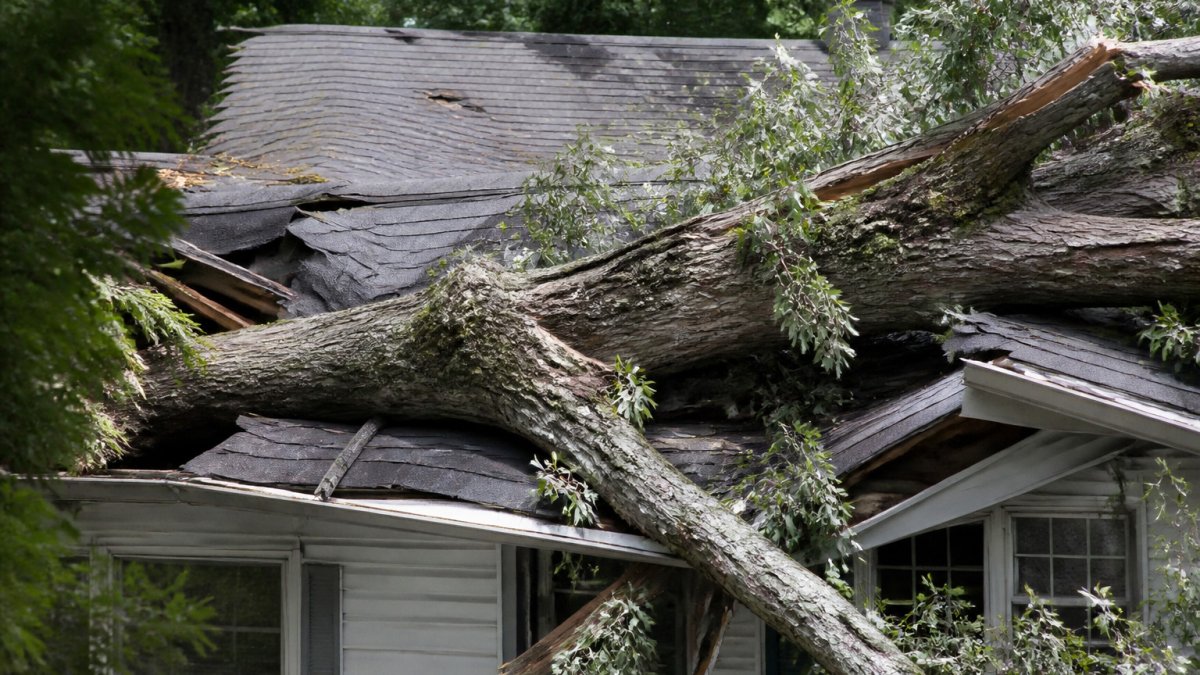
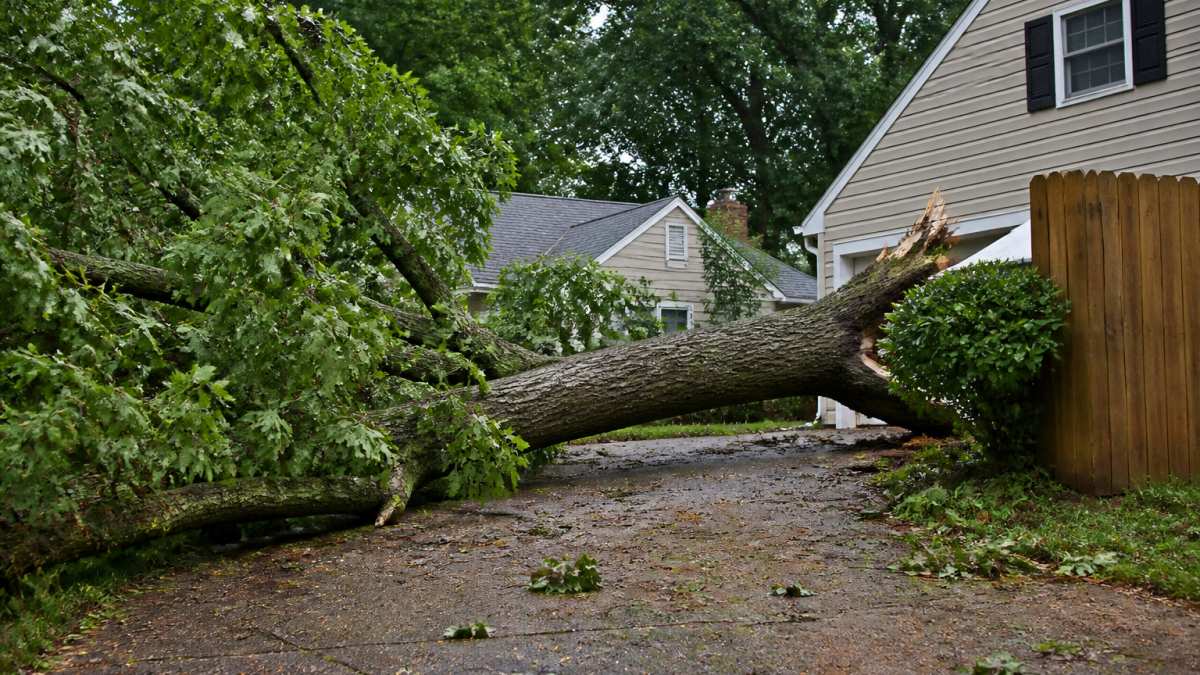
A fallen tree is an emergency in a different way than a standing hazard. It's already down, but it might be tangled in power lines, blocking your driveway, or crushing part of your roof. The removal itself becomes more complex because the crew has less control over where pieces land.
Fallen tree removal cost typically runs higher than removing a standing tree of the same size. Why? The tree is already unstable. Crews can't use standard rigging techniques.
After-hours emergency service adds another layer. Call at midnight on a Sunday and you'll pay a premium. Many tree services charge extra for nights, weekends, and holidays. This isn't just inconvenience, it's the cost of pulling crews away from scheduled work and paying overtime rates.
The urgency matters too. If your tree fell three days ago and you're calling for removal, that's different from calling the moment it hits the ground. Immediate response costs more because the crew drops everything else to get to you.
Tree Removal Cost by Size: Small, Medium, and Large Trees
Tree size is the single biggest price driver. A 20-foot pine costs nothing like a 70-foot oak. Pricing often scales with height and trunk diameter because both affect the labor, equipment, and risk involved.
Small Trees (Under 30 Feet)
Small trees are straightforward to remove. The crew can usually drop them in one or two pieces without heavy rigging equipment. Bucket trucks or simple rigging handles most of the work.
For a small tree in good condition with clear access, expect the removal to take two to four hours. The tree itself isn't the issue, it's what happens after. Stump grinding, debris cleanup, and haul-away add time and cost. Many homeowners underestimate how much material one tree produces.
Small trees in difficult locations cost more. If the tree is inches from your fence, near power lines, or surrounded by landscaping, the crew moves slower and uses more careful techniques. Access matters enormously. A tree in your front yard next to a driveway is easier than one wedged between your house and a neighbor's shed.
Medium Trees (30 to 60 Feet)
Medium trees require real equipment. Bucket trucks, cranes, or advanced rigging systems come into play. The crew can't simply drop these, they need to lower pieces carefully or use a crane to control the descent.
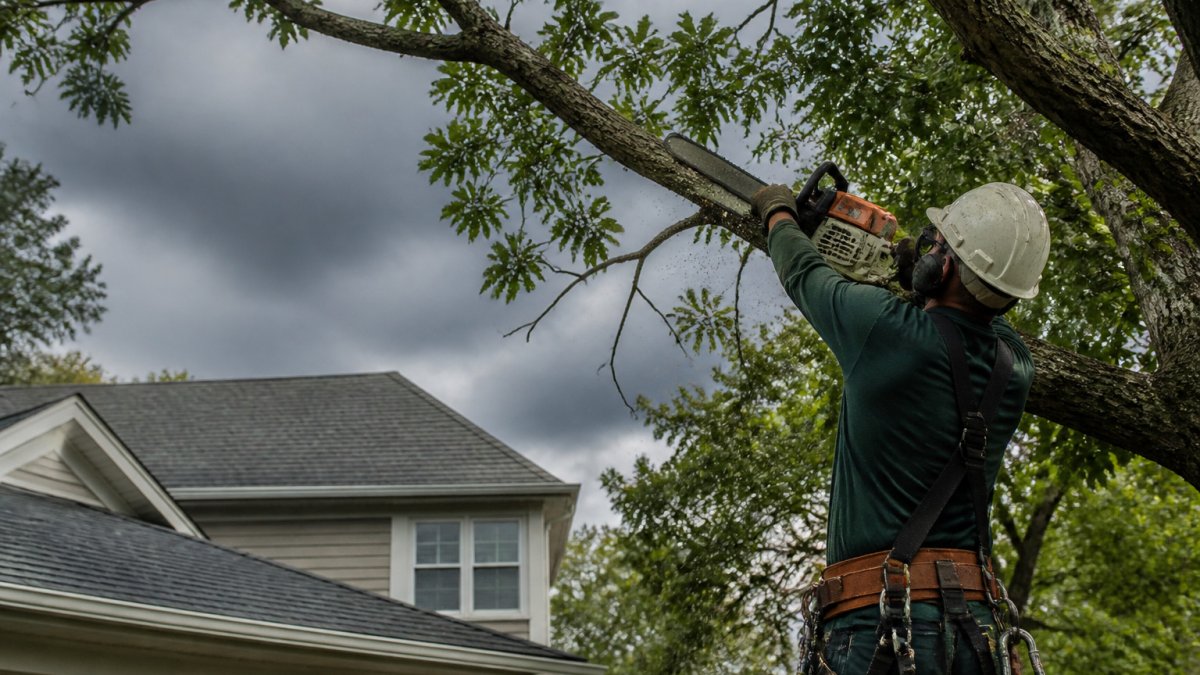
Labor increases significantly. A medium tree removal might take a full crew most of a day. Rigging requires skill and experience. One mistake and a 500-pound limb crashes through a roof or fence. That's why certified arborists matter. They know how to rig safely and efficiently.
If the tree is near structures, power lines, or in a tight space, complexity jumps again. A medium tree removal in a cramped suburban lot costs more than the same tree in an open field.
Large Trees (Over 60 Feet)
Large trees are serious projects. These often require cranes, multiple crew members, and careful planning. A 70-foot oak with a thick trunk can take a full day or more to remove safely.
Crane rental alone is a major cost. If the tree can't be climbed or rigged safely from the ground, a crane becomes necessary. Crane operators, fuel, and equipment time add up fast. Plus, the crew still has to cut the tree into pieces, lower them, and process the debris.
Large trees in difficult locations become even more expensive. A massive tree inches from your house or over a neighbor's property requires extreme caution. Every piece has to be controlled. One unplanned drop ends in property damage and insurance claims.
Key Cost Factors: Access, Condition, and Location
Beyond size, several factors reshape the final bill. Understanding these helps you anticipate what an estimate will reflect.
Proximity to Structures and Power Lines
A tree close to your house, garage, fence, or neighbor's property costs more to remove. The crew has to work slowly and precisely. Rigging becomes mandatory. Mistakes carry real consequences.
Power lines add another dimension. If branches touch or come near power lines, the utility company might need to be involved. They may cut and remove their own lines, or they may require the tree service to work around live wires. Either way, it slows the job and increases cost.
Tree Condition and Storm Damage
A healthy, intact tree is easier to remove than a storm-damaged one. A tree split down the middle, with branches hanging at odd angles, or with sections already broken off is unstable and unpredictable. Crews have to work even more carefully.
Dead or diseased trees present their own challenges. Dead wood is brittle and can snap unexpectedly during removal. A diseased tree might be structurally compromised in ways that aren't obvious from the ground. Certified arborists assess these risks before work begins.
Labor, Equipment, and Rigging Requirements
A simple removal with hand tools and a bucket truck is cheaper than a job requiring a crane, multiple rigging systems, and a large crew. Specialized equipment costs money to rent and operate.
Rigging complexity matters. A tree that can be dropped in sections without rigging is faster than one requiring every piece to be lowered on ropes. Advanced rigging means more crew members, more time, and higher skill requirements.
Getting an Accurate Tree Removal Estimate
An estimate is only useful if it's accurate. Here's how to get one that actually reflects what the job will cost.
Call multiple tree services. Get at least two or three estimates. Reputable crews will visit your property, assess the tree, and provide a detailed written estimate.
A good estimate breaks down the costs. You should see line items for removal, stump grinding, cleanup, and haul-away. If an estimate is just one number with no detail, ask questions. You need to understand what's included.
Ask about what happens if the job is more complex than anticipated. Does the price change if the crew finds hidden damage or difficult rigging needs? A clear answer protects you both.
Verify credentials. Ask if the crew is licensed and insured. Request proof. An uninsured tree service might be cheaper, but if something goes wrong, you're liable. Licensed, certified arborists carry proper insurance and know current safety standards.
Compare what each estimate includes. One might exclude stump grinding or debris removal. Another might include it. The lowest price isn't always the best deal if it doesn't cover everything you need.
Homeowners Insurance and Tree Removal Coverage
Insurance coverage for tree removal is complicated and often misunderstood. Most homeowners policies cover tree removal only if the tree falls on a structure or damages property. A tree that falls in your yard but doesn't hit anything usually isn't covered.
Storm damage changes the equation. If a storm brings down a tree and it damages your house, garage, or fence, insurance may cover removal. The coverage typically applies to the part of the tree that caused damage, not the entire tree.
Check your policy or call your insurance agent. Ask specifically: "If a tree falls on my house, does my policy cover removal of the tree?" Get the answer in writing. Insurance companies sometimes dispute claims, and having clarity beforehand prevents arguments later.
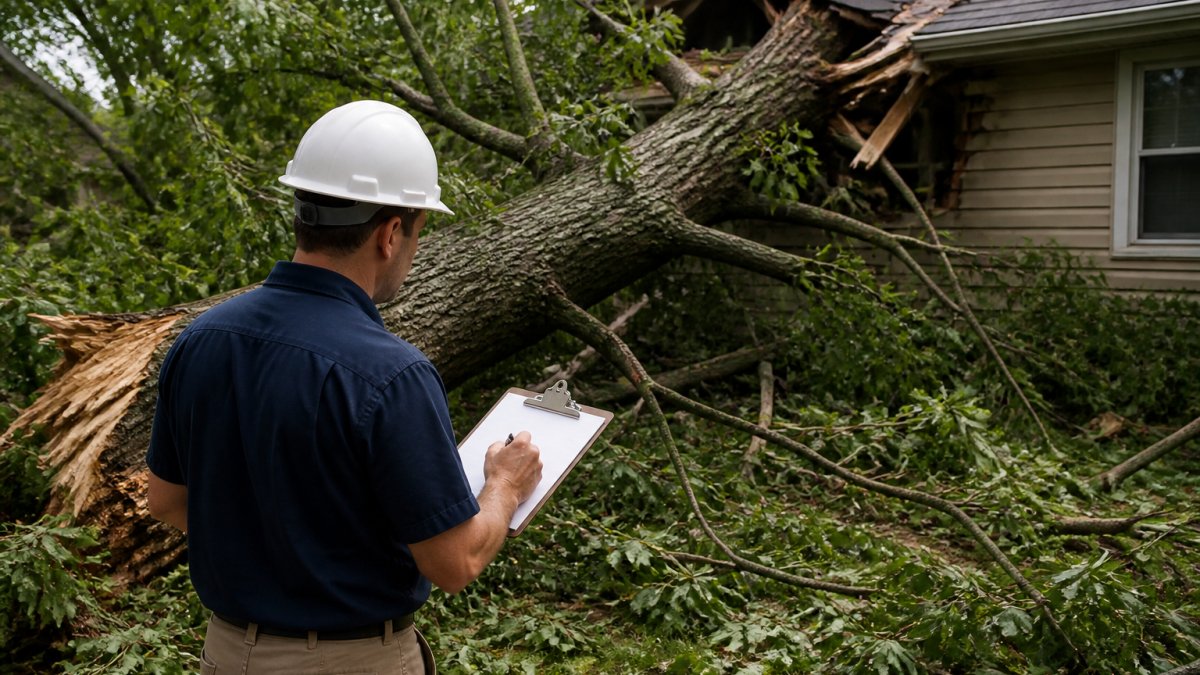
Document everything if a tree does damage. Take photos before removal begins. Keep all estimates and receipts. If you need to file a claim, this documentation supports your case.
Debris removal and stump grinding are usually not covered by insurance. These are considered maintenance or improvements, not damage recovery. Budget for these separately.
After-Hours and Emergency Service Premiums
Call a tree service during business hours on a Tuesday and you get standard pricing. Call at 11 p.m. on a Saturday after a storm and you pay for emergency response.
Emergency service premiums vary by company and situation. Some charge a flat after-hours surcharge. Others charge time-and-a-half or double rates for nights and weekends. A few offer true 24/7 emergency response without premiums, though that's rare.
Red Woodpecker Tree Service offers 24/7 emergency storm response. We understand that trees don't fall on convenient schedules. When a storm hits, you need help now, not Monday morning.
The premium covers the real cost of emergency response. Crews work overtime. Supervisors coordinate outside normal hours. Equipment is staged and ready. If you're facing a genuine emergency, a tree threatening your home or blocking access, the cost is worth the immediate help.
Safety Steps Before Your Tree Service Arrives
Don't wait passively for the crew to arrive. Take basic safety steps to protect yourself, your family, and your property.
Establish a perimeter around the hazard. If a tree is leaning dangerously or has large dead branches overhead, keep people and pets away. Rope off the area if necessary.
Clear the work area. Move vehicles, outdoor furniture, and equipment away from where the crew will operate. Removal creates flying debris. The further away your belongings are, the safer they are.
Notify neighbors if the tree is near property lines. A branch might extend into their yard. They should know what's happening and when. Good communication prevents disputes later.
Document the situation with photos and video. If insurance is involved, visual evidence helps. Show the tree's condition, its proximity to structures, and any damage it's caused.
Stay inside during removal. A tree service crew has enough to focus on without managing bystanders. Keep children and pets indoors.
Emergency tree removal isn't cheap, but it's often necessary. A hazardous tree threatens your home, your family, and your neighbors.
| Factor | Impact on Cost | What to Know |
|---|---|---|
| Tree size (under 30 ft) | Lower cost | Straightforward removal, basic equipment |
| Tree size (30-60 ft) | Medium cost | Rigging and bucket trucks required |
| Tree size (over 60 ft) | Higher cost | Crane rental, specialized crew |
| Proximity to structures | Increases cost | Careful rigging, slower work |
| Power line involvement | Increases cost | Utility coordination needed |
| Storm damage | Increases cost | Unstable wood, complex rigging |
| After-hours service | Increases cost | Overtime rates, emergency response |
| Stump grinding | Additional cost | Often not included in removal price |
Frequently Asked Questions
How much does emergency tree removal typically cost?
Emergency tree removal costs depend on tree size, condition, location, and access difficulty. Small trees may cost less than large trees requiring specialized rigging. After-hours and weekend emergency service premiums add significantly to the base cost. Contact Red Woodpecker Tree Service for a free estimate tailored to your specific situation and property.
Does homeowners insurance cover emergency tree removal?
Homeowners insurance may cover tree removal if the tree falls on your house or causes structural damage during a covered weather event like a storm. Coverage typically applies to removal of the fallen tree only, not preventive removal of hazardous trees. Review your policy details and contact your insurer to understand your coverage limits and whether you need to file a claim before hiring a tree service.
What is the difference between a fallen tree removal cost and preventive removal?
Fallen tree removal often costs more because the tree is already down, creating hazards and complicating access and equipment placement. Preventive removal of a hazardous or dead tree standing upright is typically less expensive because the arborist has more control and can plan the safest approach. Emergency response after a storm also carries service premiums that routine removals do not.
How do I know if I'm getting a fair tree removal estimate?
A fair estimate should itemize labor, equipment, rigging, stump grinding (if included), debris cleanup, and haul-away fees separately. Compare written estimates from multiple certified arborists. Verify that the contractor is licensed, insured, and holds current certifications. Avoid unusually low quotes, which may indicate inexperience or inadequate insurance. Red Woodpecker Tree Service provides free estimates so you can make an informed decision.